The Evolution of Music Creation through AI
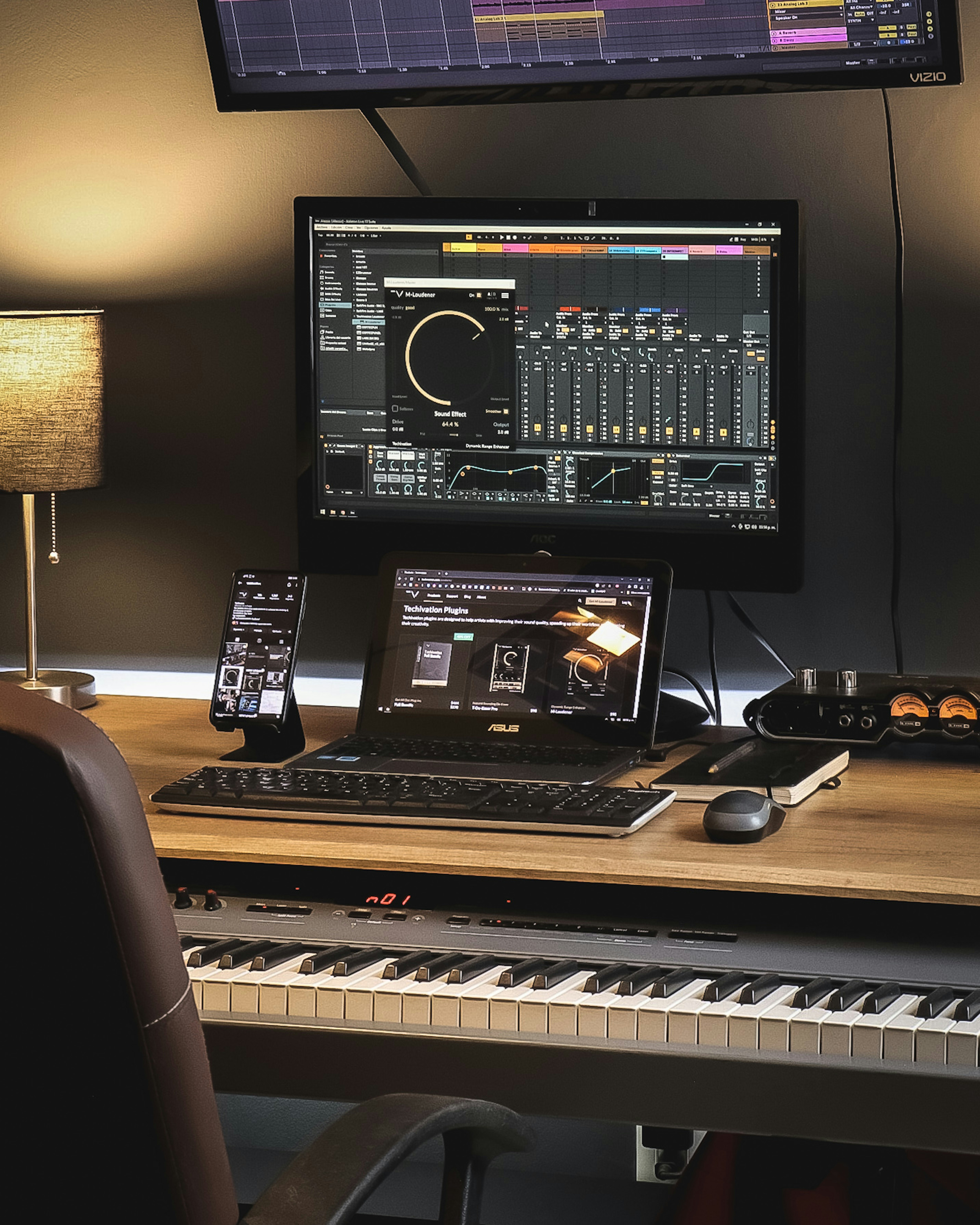
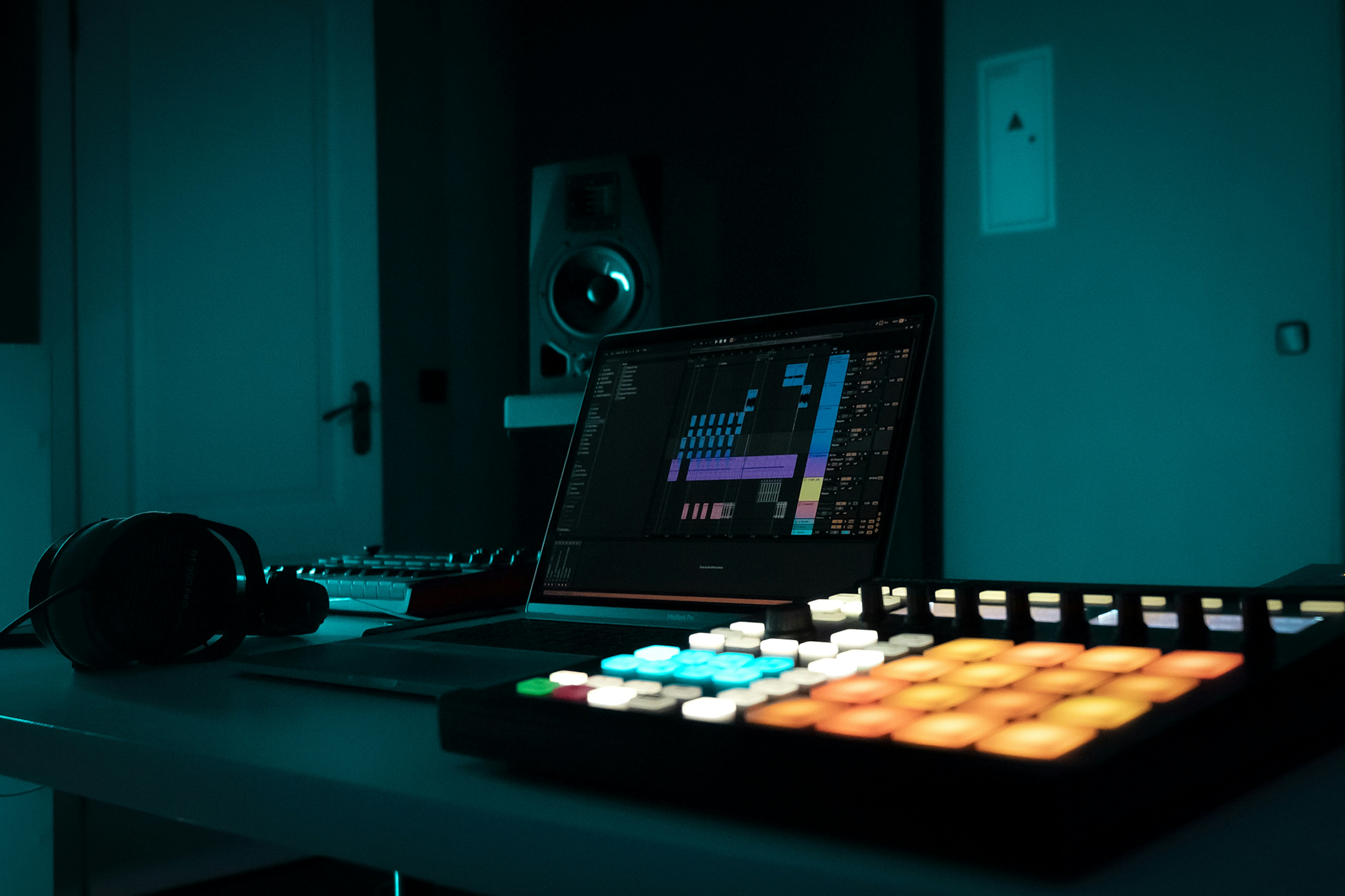
The journey of music creation has evolved dramatically over the years, greatly influenced by advancements in technology. Beginning in the 1980s, the introduction of digital audio workstations (DAWs) revolutionized how music was produced, allowing for unprecedented control over sound manipulation. Software such as Pro Tools enabled musicians to record, edit, and mix music in a completely new fashion, laying the groundwork for later innovations.
As the 1990s approached, MIDI (Musical Instrument Digital Interface) technology emerged, further enhancing musical creativity. Artists could now layer sounds, automate changes, and collaborate remotely. This period marked the transition from analog to digital, providing musicians with tools that were once unimaginable. The proliferation of personal computers also made music production more accessible, encouraging a wave of independent artists to emerge.
With the dawn of the 21st century came the rise of software synthesizers and virtual instruments, which offered endless possibilities for sound creation. Programs like Ableton Live and FL Studio became popular among both amateur and professional musicians. These innovations encouraged experimentation and broadened the horizons of what was possible in music creation.
In the last decade, the integration of artificial intelligence into the music scene has been a significant game-changer. AI algorithms are now capable of analyzing vast databases of music, learning stylistic elements, and even composing original pieces. This transition is a natural progression, as AI encapsulates the technological advancements seen in the music industry over the decades. Rather than being a fleeting trend, AI stands as an integral part of the new era of music creation, shaping the future for musicians and producers alike.
AI’s Impact on Music Distribution and Accessibility
The advent of Artificial Intelligence (AI) has significantly transformed the landscape of music distribution and accessibility. One of the most notable changes is the emergence of algorithmic playlists. Streaming platforms like Spotify, Apple Music, and others utilize sophisticated algorithms to analyze listeners’ habits and preferences, curating personalized playlists that cater to individual tastes. This not only enhances user experience but also ensures that the music played is relevant and engaging, thereby fostering a deeper connection between listeners and artists.
Moreover, the rise of AI-driven personalized recommendations has revolutionized how audiences discover new music. By analyzing vast amounts of data, AI systems can suggest tracks that align with the listener’s unique preferences, often introducing them to genres or artists they might not have encountered otherwise. This capability broadens musical horizons and helps diverse musical styles gain traction among varied demographic groups, promoting a more inclusive music ecosystem. As audiences experience varying sounds, artists from different backgrounds find increased opportunities to connect with new listeners.
Streaming services have fully embraced AI technology to optimize their offerings. For instance, these platforms use predictive analytics to forecast trends and understand potential listener responses to new releases. This functionality allows streaming services to not only serve existing music efficiently but also to actively engage with emerging artists, helping them to reach global audiences without the constraints typically associated with traditional music distribution channels.
As a result, the democratization of music accessibility has become a hallmark of the current music industry landscape. Independent artists now have the potential to thrive in a global marketplace, reaching audiences that were previously inaccessible due to geographical and economic barriers. Thus, AI is not merely a trend in music; it signifies the beginning of a new era that redefines music distribution and accessibility for creators and consumers alike.
The Transformative Role of AI in Music Consumption
The advent of artificial intelligence has ushered in significant changes in the way music is consumed, fundamentally altering listener habits and reshaping the music landscape. AI technologies have become integral in creating personalized experiences, with algorithms curating playlists that align with individual tastes and preferences. This shift towards highly tailored content means that listeners are now enjoying music selections that are specifically recommended based on their historical listening behavior, thereby enhancing user engagement and satisfaction.
Moreover, AI’s role extends beyond mere playlist curation. Virtual concerts and interactive experiences powered by AI provide audiences with innovative platforms to engage with their favorite artists. These advancements reflect a broader trend where technology bridges the gap between artists and fans, enabling more immersive and diverse experiences that traditional music formats often lacked. As consumers increasingly prefer these modern alternatives, traditional music industry revenues are being reconfigured to accommodate these new forms of engagement.
However, the integration of AI in music consumption is not without challenges and ethical concerns. The rise of AI-generated music raises questions regarding ownership, authenticity, and the potential ramifications for human artists. Issues surrounding copyright laws and the moral implications of AI artists producing music that may replicate or mimic human creativity are increasingly relevant in discussions about the future of the industry. Consumers’ responses to AI-generated music are varied, with some embracing it as innovative artistry while others express skepticism about the emotional depth and authenticity of such creations.
As the consumption patterns in music evolve, it is crucial to continuously assess the implications of these technological advancements. The music industry stands at a crossroads, where AI not only shapes listening habits but also redefines the dynamics of artist-fan interactions.
Looking Ahead: The Future of AI in the Music Industry
The music industry is on the brink of a transformative era, driven largely by advancements in artificial intelligence. As AI technologies continue to evolve, they are set to play a pivotal role in shaping how music is created, distributed, and consumed. One of the most significant impacts is likely to be on the creative process itself. AI can analyze vast amounts of data, uncovering trends and patterns that human composers might overlook. This ability could lead to novel musical styles and genres that enhance the richness of the music landscape.
Moreover, the role of AI in music production is expected to expand. With tools that can generate melodies, harmonies, and even entire tracks based on minimal input, producers will find themselves equipped with powerful resources that augment their creativity. In this collaborative framework, AI will function as a creative partner rather than a competitor. Artists should view AI as a tool that complements their skills, allowing them to experiment and innovate in ways that were previously unimaginable.
However, the evolution of AI in music also raises important questions regarding authenticity, ownership, and the nature of artistic expression. As AI systems create music, defining the boundaries of authorship and copyright becomes increasingly complex. Artists will need to navigate these challenges while embracing innovation and maintaining their unique voices in the industry.
To thrive in this evolving landscape, artists will need to adapt and explore the capabilities of AI. By integrating AI tools into their work, they can not only streamline their creative processes but also reach broader audiences through personalized content. This fusion of human artistry with AI technology marks the beginning of a new chapter in music, where collaboration fosters innovation and opens up new possibilities for future generations of musicians.