The Genesis of Artyllads Music
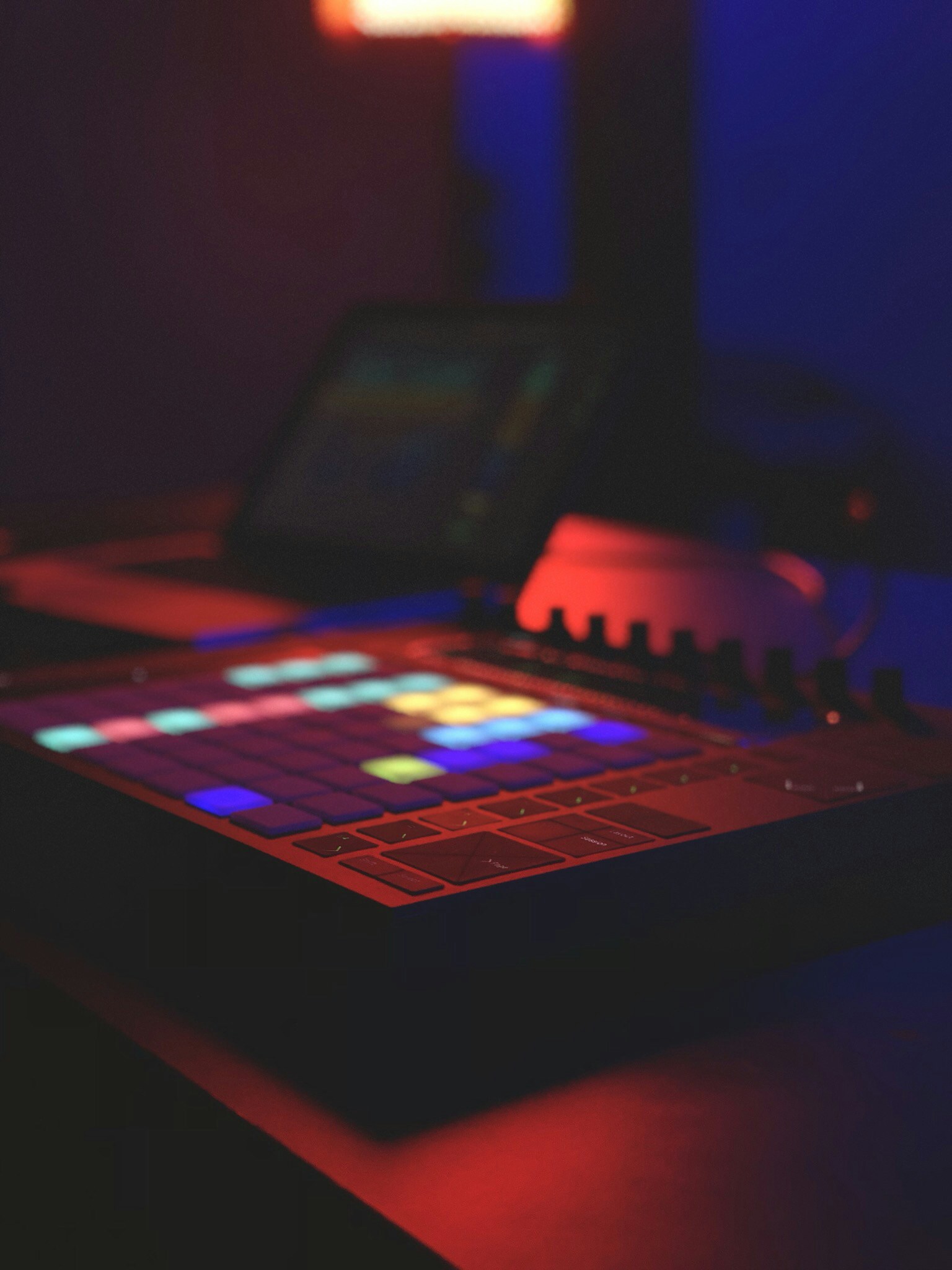
Artyllads Music emerged from the intersection of technology and creativity, founded by a group of visionaries passionate about transforming the music landscape through artificial intelligence. The organization was established with a clear mission: to create a virtual music label that not only showcases AI-generated bands but also explores the broader implications of digital artistry in the music industry.
The founders of Artyllads Music possess diverse backgrounds, including extensive experience in music production, software development, and digital marketing. Their combined expertise fuels the innovative spirit that drives the label. One of the primary motivations behind creating Artyllads Music was the recognition of technology’s evolving role in artistic expression. In an age where traditional music paradigms are rapidly changing, the founders envisioned a platform where technology could enhance creativity rather than replace it.
With a focus on artificial intelligence and machine learning, Artyllads Music aims to harness these technologies to generate new musical compositions and create virtual bands that resonate with modern audiences. The vision of the label is not merely to produce music, but to redefine how music is created, distributed, and consumed. By leveraging AI, the label seeks to provide a fresh perspective in an industry often seen as rigid and traditional.
Moreover, the founders aspire to foster a collaborative environment where artists and technology can coexist harmoniously. They believe that AI can complement human creativity by generating novel ideas and sounds that challenge conventional music norms. Artyllads Music is thus positioned at the forefront of a shifting paradigm, advocating for an inclusive future that embraces both digital and traditional artistry.
Exploring the Unique Virtual Bands of Artyllads Music
Artyllads Music has been at the forefront of innovation in the music industry, particularly through its unique approach to virtual bands. These bands, while not composed of human performers, create a fascinating blend of technology and artistry that is reshaping our understanding of music production and performance. Here, we take a closer look at some of the standout projects within this innovative framework.
First on our list is The Divas Five, a group known for its powerful vocals and vibrant pop sounds. The virtual ensemble features five distinct AI-generated personalities, each contributing a unique flair to the music. Their productions are characterized by catchy melodies paired with sophisticated electronic arrangements, creating a sonic experience that is both contemporary and nostalgic. The algorithms used to compose their music analyze successful pop patterns, resulting in tracks that resonate well with audiences.
Next, we have The Blossom, whose music is infused with elements of alternative rock and indie pop. This band is marked by introspective lyrics and a focus on emotive storytelling. The AI behind The Blossom is programmed to understand emotional nuances in music, thus enabling it to create compositions that evoke a sense of connection and reflection among listeners. Their style represents a deeper narrative that often invites fans to ponder the meaning behind each song.
Another noteworthy project is The Drixes, an energetic dance group that leverages AI to produce rhythmic and infectious beats. Their tracks are optimized for the club scene, utilizing machine learning to understand what engages audiences on the dance floor. By analyzing trends in electronic music, The Drixes encapsulate a sound that is playful yet sophisticated, appealing to a wide range of party-goers.
Lastly, we cannot overlook Zaharix, a virtual band that dives into experimental and avant-garde music. Their approach is unique as they blend genres and employ AI to explore sounds that push conventional boundaries. This creative freedom allows Zaharix to produce groundbreaking music that challenges listeners and redefines the parameters of virtual artistry.
Overall, the virtual bands under the Artyllads Music label represent a remarkable fusion of technology and creativity, showcasing how AI can not only mimic human artistry but also innovate in ways that lead to new musical landscapes. Each project reflects distinct styles and concepts, illustrating the diverse possibilities of AI-enhanced music creation.
The Creative Process: How AI Generates Music
In recent years, the integration of artificial intelligence (AI) in music creation has revolutionized the way artists approach songwriting. At Artyllads, innovative technology powers the creative process, enabling the generation of music that spans various genres, including romantic pop, K-pop, and electronic music. These AI systems, driven by complex algorithms and machine learning techniques, are designed to analyze large datasets of existing music to identify patterns and trends.
Machine learning models, particularly deep learning neural networks, are at the forefront of this technology. They process extensive libraries of songs, breaking down elements such as melody, harmony, rhythm, and lyrical structure. By employing techniques such as reinforcement learning, these models can refine their outputs based on the feedback they receive, resulting in increasingly sophisticated compositions over time.
Moreover, the use of generative adversarial networks (GANs) has emerged as a powerful method for creating unique music pieces. In this approach, two neural networks compete against each other: one generates music while the other evaluates it, pushing the system to develop high-quality output that resonates with authentic musicality. This competitive mechanism ensures that the AI-generated music maintains a level of creativity and originality.
While the technological capabilities of AI play a significant role in music generation, the collaboration between human creativity and artificial intelligence is equally essential. Artists at Artyllads work closely with AI, using its insights as a springboard for their own ideas. This partnership allows musicians to infuse their personal touch into the process, enhancing the emotional depth and storytelling aspects of their songs.
Through the synergy between AI and human creativity, Artyllads is able to produce music that is both innovative and deeply resonant, ushering in a new era of artistic expression in the music industry.
The Future of Music: Virtual Bands and AI’s Role
The convergence of artificial intelligence and music is reshaping the future of the music industry, particularly through the emergence of virtual bands. These digitally created ensembles blur the line between musicianship and technology, presenting exciting possibilities for both artists and listeners. The integration of AI into music production not only enables the creation of unprecedented soundscapes but also prompts a reevaluation of the traditional role of artists. As virtual bands gain popularity, they challenge the notion of authenticity and provoke discussions regarding the essence of musical expression.
AI-generated music has the potential to introduce a diverse array of sound and genre fusion, allowing artists and producers to experiment beyond human limitations. This democratization of music creation can empower new voices and encourage collaboration, fostering a more inclusive environment where creativity thrives. However, the rise of AI in music also brings forth significant challenges, particularly in navigating the complexities of copyright laws. Questions about ownership and intellectual property arise when a piece of music is produced by an algorithm trained on existing works, complicating the rights of original artists.
Moreover, audience reception plays a critical role in determining the future success of virtual bands. As listeners become accustomed to AI-generated content, their preferences may shift, influencing the types of music that are produced and popularized. The evolving landscape of digital art presents opportunities for innovation, but it also necessitates a careful examination of the ethical implications associated with AI creativity. In conclusion, the future of music, driven by virtual bands and AI, promises to redefine the music industry, crafting new experiences for listeners and musicians alike while raising important questions about creativity and ownership in a digital age.