The Rise of Creative AI in Music Composition
The integration of artificial intelligence in music composition marks a significant paradigm shift in the creative process for composers and songwriters. Over recent years, innovative tools powered by AI technologies have emerged, allowing artists to enhance their creativity and streamline their workflows in unprecedented ways. These tools not only assist in generating music but also provide a framework for discovering new musical ideas and expanding artistic horizons.
One notable aspect of AI in music composition is the capability of algorithms to analyze vast datasets of existing compositions. By studying patterns, structures, and stylistic nuances, AI can learn the intricacies of various musical genres. For instance, several AI systems, such as OpenAI’s MuseNet or AIVA (Artificial Intelligence Virtual Artist), are designed to compose original music by synthesizing distinctive elements from diverse influences. The result is a unique blend of AI-generated melodies that might not have been conceived by human composers alone.
Furthermore, AI tools do not merely produce music; they also facilitate collaboration between human creativity and machine learning. Composers can utilize AI technologies to generate backing tracks, melodies, or even fully realized compositions, allowing them to focus on their individual artistic style while the technology handles more repetitive tasks. This shift can lead to greater experimentation with sound and structure, enriching the overall music landscape.
As the AI continues to evolve, its ability to create music will become increasingly sophisticated, leading to innovative sounds that challenge traditional constructs in music. Current examples of AI-generated music, from pop hits to classical pieces, showcase the transformative potential of these tools. The ongoing development in this field promises to enhance the practice of music composition, ultimately reshaping the way music is created, shared, and experienced.
Innovations in Sound Technology Influencing Modern Music
The integration of artificial intelligence (AI) into sound technology has catalyzed transformative changes in the music industry, particularly in production techniques, sound synthesis, and music engineering. This evolution is evidenced by the emergence of AI-powered tools that allow artists and producers to push the boundaries of traditional music creation. Contemporary sound engineering benefits from AI algorithms capable of analyzing vast amounts of auditory data, resulting in innovative methods of sound design and composition.
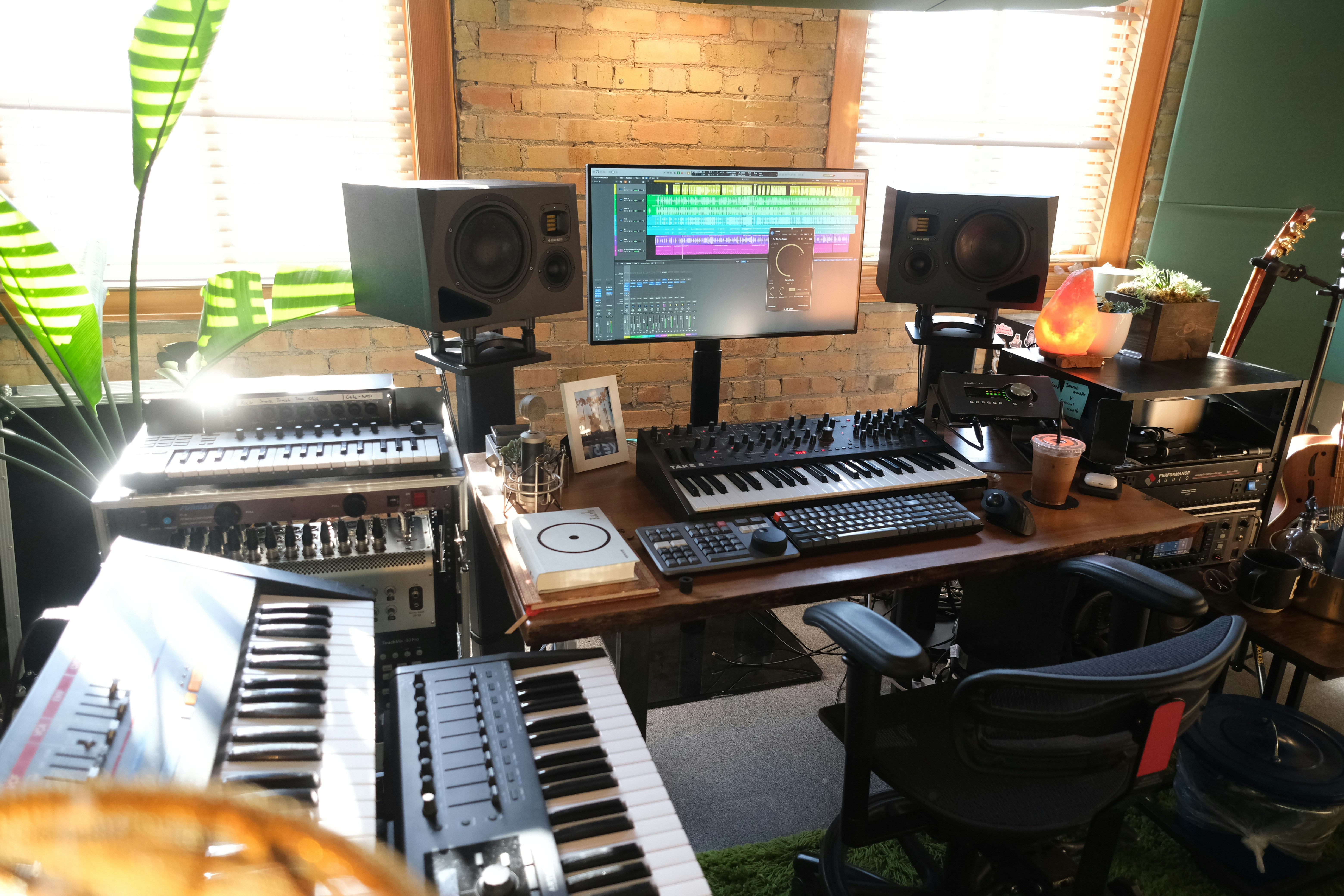
One significant advancement lies in AI-driven digital audio workstations (DAWs) equipped with intelligent features that can enhance workflow efficiency. These platforms can suggest chord progressions, recommend instrumentation, or even generate entire beats based on user preferences. Such capabilities not only streamline the production process but also encourage experimentation, enabling musicians to explore soundscapes previously deemed inaccessible.
Additionally, the role of AI in sound synthesis cannot be overstated. With AI algorithms mimicking human creativity, sound designers can create unique timbres and textures that were once unimaginable. Generative music systems utilize machine learning to compose intricate pieces that adapt in real-time, reacting to the listener’s engagement. This interactivity marks a shift toward a more immersive musical experience, redefining the relationship between creator and audience.
In the realm of live performances, AI’s impact is equally profound. AI-assisted live mixing and sound engineering lead to a heightened auditory experience, allowing sound engineers to adjust feeds dynamically and create rich soundscapes that respond to the energy of the audience. Such technologies enable artists to deliver more captivating performances, making use of real-time data analysis for optimizing sound output.
Overall, these advancements in sound technology borne from AI not only refine production methodologies but also expand the creative possibilities available to modern musicians. The future of music appears bright as these innovations continue to evolve, influencing how music is created, produced, and experienced across the globe.
Virtual Bands and AI-Driven Performances
The emergence of virtual bands and AI-driven performances is reshaping the landscape of the music industry. Utilizing advanced algorithms and machine learning, artificial intelligence is not only capable of creating music but also managing virtual artists who perform in simulated environments. Through sophisticated data analysis, AI can generate compositions that appeal to various demographics, which allows these virtual bands to cater to specific audience tastes.
One of the most notable examples of this phenomenon is the virtual band Gorillaz, which has effectively blended real-world musicians with animated characters. However, as AI technology advances, the potential for fully autonomous virtual artists becomes increasingly plausible. This shift raises significant questions regarding the ownership of creative work, the definition of artists, and the implications for traditional musicians.
Furthermore, AI-driven performances are not confined to pre-recorded music; they can adapt in real-time to audience reactions, promising a uniquely interactive experience. Utilizing data from social media and streaming platforms, AI systems can analyze audience preferences and modify performances accordingly. In essence, the concert experience may soon evolve into a two-way interaction, where audiences influence the direction and content of live performances.
The implications for the music industry are profound. As virtual bands rise, traditional artists may face competition on an unprecedented level, challenging established norms of music production and consumption. Labels and producers will need to adapt their strategies to accommodate this new reality where virtual entities can potentially become as popular, if not more so, than their human counterparts.
As AI continues to evolve, the intersection between technology and music will only deepen, ushering in an era defined by innovation and creativity. The possibilities for virtual bands and AI-enhanced performances mean that both artists and audiences must prepare for a future that is ever-changing.
The Future of Music: Opportunities and Challenges
The advent of artificial intelligence has ushered in significant transformations within the music industry, presenting both remarkable opportunities and complex challenges. One of the most prominent opportunities lies in the ability of AI to augment creativity. Musicians and producers are increasingly using AI tools to explore new sounds and compositions, enabling greater experimentation and innovation. For example, AI algorithms can analyze vast catalogs of music to suggest unique combinations or generate completely novel pieces, thereby expanding artistic horizons.
However, this integration of AI also raises pressing issues, particularly concerning copyright. As AI-generated music becomes indistinguishable from that created by human artists, questions surrounding ownership and rights become paramount. The music industry will need to navigate these murky waters, establishing guidelines that protect artists while acknowledging the contributions of AI. Furthermore, the extent to which AI can claim authorship remains a contentious debate that impacts licensing and royalties.
Another challenge resides in the evolving role of human creativity. As AI continues to enhance music production, there is a growing concern that the essence of human artistry may be overshadowed. While AI can produce technically sound music, the emotional depth and cultural significance provided by human artists cannot be replicated. Balancing the advantages offered by AI with the need to preserve authentic human expression will be crucial for the future landscape of the music industry.
Additionally, ethical considerations surrounding the use of AI in music creation cannot be overlooked. Issues such as data privacy, bias in AI algorithms, and the potential for homogenization of musical styles raise important moral questions. Addressing these challenges will require industry stakeholders to collaborate in establishing ethical frameworks that ensure fair practices and respect for artistic integrity.