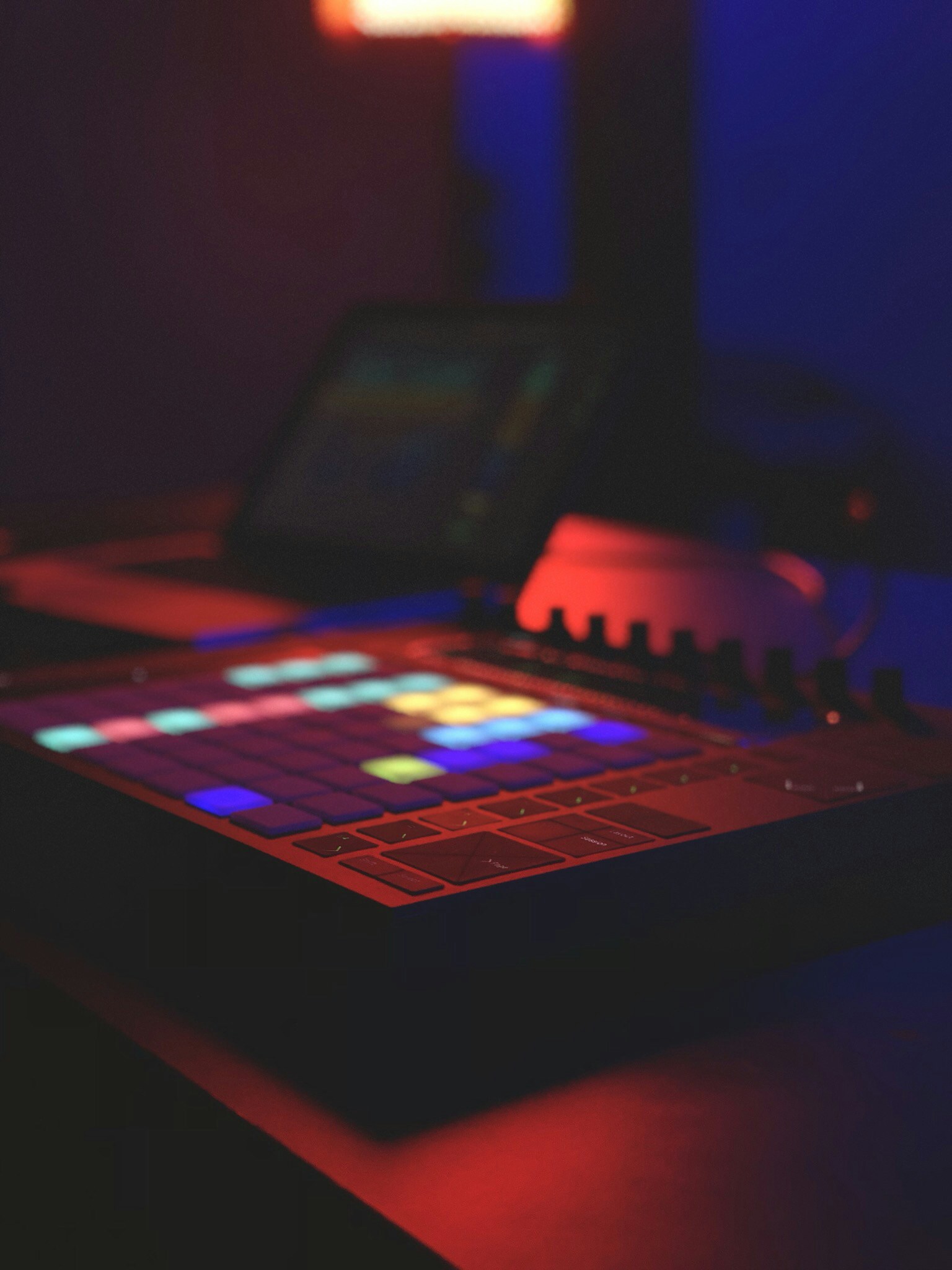
The Rise of AI in Music Creation
The integration of artificial intelligence in the music industry marks a significant technological shift, reshaping the creative landscape for musicians and composers alike. Far from being a mere novelty, AI tools are increasingly becoming essential instruments in music creation. In the early days of AI applications in music, the focus was primarily on algorithmic composition, where computer programs would generate musical scores based on predefined rules and parameters. These systems, while groundbreaking at the time, were limited by their reliance on classical music theory and largely produced stylistically rigid outputs.
As technology has evolved, however, we have witnessed a more sophisticated use of AI in music generation. Machine learning and neural networks have emerged as pivotal technologies, enabling AI to analyze vast datasets of existing music. This analysis allows AI platforms to not only recognize patterns but also imitate different styles and genres, offering musicians a plethora of new creative options. Platforms such as OpenAI’s MuseNet and Google’s Magenta showcase the impressive capabilities of AI, allowing users to compose original pieces inspired by a blend of contemporary genres and historical influences.
Furthermore, the rise of AI has democratized music creation, empowering a wider range of individuals to engage in songwriting and production without needing extensive knowledge in music theory or instrumentation. Musicians are now leveraging AI tools to augment their creative process, collaborating with algorithms to explore unique melodic and harmonic ideas that may not have occurred otherwise. This fusion of human creativity and machine intelligence has opened new avenues for artistic expression, marking a transformative era in music creation.
In conclusion, the evolution of AI in music creation not only enhances the capabilities of artists but also broadens the scope of what music can represent and achieve. As AI continues to advance, it is poised to further redefine the relationship between technology and creativity in the music industry.
Types of AI Music Tools Available Today
The landscape of AI music tools has markedly evolved, providing a diverse array of options designed to cater to varying musical needs. Today, we can categorize these tools into several key types based on their functionalities. First, we have melody generation software such as OpenAI’s MuseNet, which leverages deep learning techniques to produce original melodies in various styles. This tool can create compositions spanning genres, making it an invaluable asset for musicians seeking creative inspiration.
Additionally, rhythm generators are another prominent category within the AI music tool ecosystem. Tools like Amper Music allow users to generate beats that can be customized based on tempo, genre, and mood. This function enables aspiring producers to easily craft engaging tracks without extensive musical training. The importance of rhythm in music creation cannot be overstated, and these tools facilitate the creation of dynamic auditory experiences.
Furthermore, there are advanced platforms capable of composing complete songs, exemplified by AIVA (Artificial Intelligence Virtual Artist). This AI can compose full-length pieces, from orchestral arrangements to pop songs. It uses algorithms to analyze existing music and generate new compositions that mimic the emotionality of human-created music, thereby bridging a gap between technology and artistry.
Several other innovative tools focused on creating soundscapes or ambient music have also emerged. For instance, Ecrett Music provides a user-friendly interface for crafting cinematic soundscapes. It allows users to select moods and activities to generate atmospheric music tailored for a wide range of situations, such as film production or relaxation. Overall, the array of AI music creation tools available today represents a significant leap forward in how music can be composed, produced, and appreciated, blending technology with traditional artistry.
The Impact of AI on Musicians and the Music Industry
The integration of AI tools into the music industry is reshaping the very foundations of music creation. Musicians, whether amateur or professional, are experiencing a radical shift in how they approach their craft. AI technologies, such as machine learning algorithms and creative software, are enabling artists to experiment with new sounds and compositions in ways that were previously unimaginable. By automating certain aspects of music production, AI frees musicians from mundane tasks, allowing them to focus more on creativity and personal expression.
Industry experts note that the implications of AI extend beyond individual artistry; they are transforming collaboration dynamics within the music community. For example, AI-driven platforms can facilitate connections between musicians around the globe, encouraging joint projects and the blending of diverse musical influences. Through these platforms, artists can extend their reach, share their work, and receive real-time feedback, thereby enhancing the collaborative spirit in music creation.
However, the evolution of AI in music also raises questions about the role of human musicians in an increasingly automated landscape. While some fear that AI could devalue human creativity, many musicians view it as a tool that complements their artistry rather than replaces it. Artists leveraging AI often find that it serves as a source of inspiration, providing new ideas that they can incorporate into their music. This symbiotic relationship between human musicians and AI could redefine the creative process, suggesting that rather than competing with technology, musicians will evolve alongside it.
As AI continues to grow within the music industry, its impact on musicians and their creative practices will undoubtedly be profound. The future of music creation presents opportunities and challenges, provoking important discussions about the true essence of artistry in an age of technological advancement.
The Future of AI in Music Creativity
The integration of artificial intelligence (AI) into the music creation process is poised to transform the industry significantly in the coming years. As AI tools continue to evolve, they hold the potential to enhance creativity and redefine the roles of musicians and producers. Current trends indicate that AI will be increasingly utilized not only in music composition but also in elements such as sound design, mixing, and even live performance.
One noteworthy trend is the emergence of AI-driven algorithms that analyze vast amounts of musical data. By examining patterns and styles from various genres, these algorithms can assist composers in generating new musical ideas that push the boundaries of traditional music. This capability can foster an environment where diverse influences converge, leading to the proliferation of hybrid genres. Moreover, such AI systems can generate compositions that cater to specific audiences or occasions, enhancing the personalized aspect of music consumption.
Additionally, as AI tools become more accessible, independent artists may leverage these innovations to battle the traditional barriers of entry into the music industry. This democratization of music creation means that the landscape could see an influx of unique sounds and innovative artistic expressions, driven by a diverse range of musicians who utilize AI creatively. Furthermore, we can expect significant advancements in interactive music experiences, where AI not only creates but also adapts compositions in real-time based on listener preferences or data inputs.
Innovations like these could revolutionize not only how music is created but how it is consumed and experienced. As AI-enhanced tools become commonplace, the relationship between artistry and technology will deepen, fostering a collaborative environment where human creativity is augmented rather than replaced by artificial intelligence. In conclusion, the future of AI in music creativity holds immense promise, suggesting a symbiotic relationship that could enrich the auditory experience for listeners across the globe.