The Rise of AI in Music Creation
The integration of artificial intelligence in music creation represents one of the most significant advancements in the industry in recent years. Historically, the application of AI in music can be traced back to the 20th century, with early experiments in algorithmic composition. However, it was not until recent advancements in machine learning and neural networks that AI’s potential began to be fully realized. Modern AI technologies are now capable of analyzing vast amounts of data and producing original music that shares qualities with human-created compositions.
Today, AI’s role in music creation encompasses various aspects, including songwriting, composition, and production. AI-driven platforms can generate melodies, harmonies, and even lyrics by leveraging extensive datasets from existing works across genres. This contrasts sharply with traditional music-making processes, where human musicians rely on creativity, emotional expression, and personal experience. AI-generated music, while innovative, often raises questions about the essence of creativity and the role of the artist in the musical landscape.
Key players in the AI music space have emerged, showcasing the technology’s range and versatility. Companies like OpenAI, with its MuseNet, and AIVA Technologies, which specializes in composing soundtracks, have made significant strides in demonstrating how AI can assist musicians by providing fresh ideas or generating entire tracks in a matter of minutes. These advancements highlight the collaboration potential between human artists and AI systems, ultimately enriching the creative process.
As AI continues to evolve, its impact on the music industry is poised to expand even further. Understanding this shift is crucial for artists, producers, and music lovers alike, as AI represents not only a technological trend but a profound change in how music is composed, shared, and consumed in the modern era.
Impact on Mainstream Platforms: Spotify and TikTok
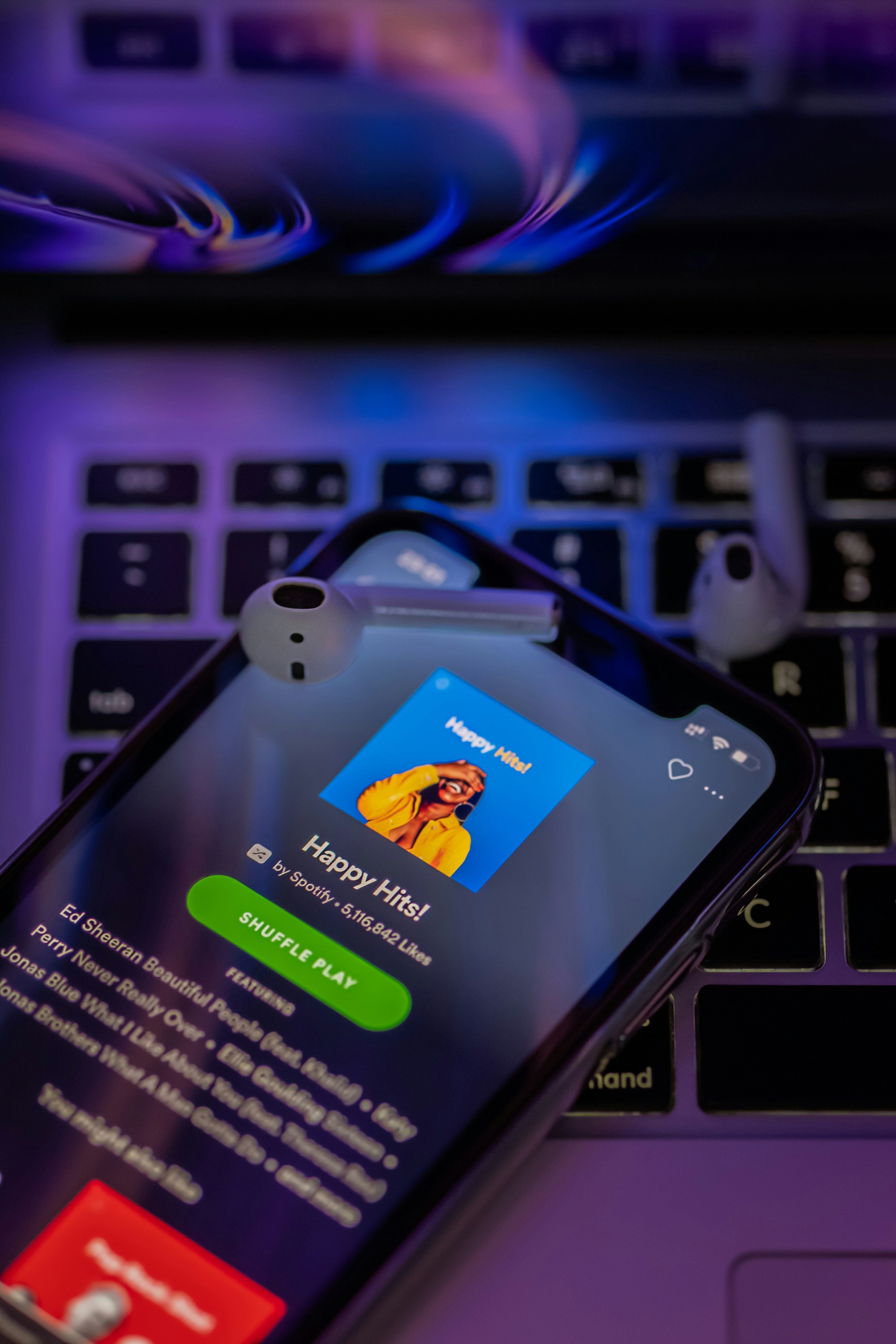
The influence of AI-generated music on mainstream platforms such as Spotify and TikTok is becoming increasingly notable. These platforms are not just venues for music consumption; they are shaping the way listeners interact with sound, developing trends, and curating personalized experiences. With the integration of AI technology, user experiences on these platforms are transformed, providing tailored recommendations that enhance listener engagement.
Spotify has utilized AI algorithms to analyze user behavior and preferences, thus enabling the platform to generate playlists that reflect individual tastes. This method not only promotes listener satisfaction but also supports emerging artists whose AI-generated tracks may align with existing user preferences. As a result, hits like “Blue Jeans” by the AI music collaboration “Yasuke” have gained significant traction, exemplifying how AI can create chart-topping songs that resonate within the market.
Similarly, TikTok has become an incubator for viral music trends, heavily influenced by AI technology. The platform’s algorithm predicts which songs will resonate with users, often leading to the rapid rise of AI-created tracks. For instance, AI-composed music has been used in countless challenges and viral dances, showcasing the seamless integration of technology and creativity. The allure of such content drives user engagement, resulting in a cycle where AI-generated music becomes mainstream very quickly.
Overall, AI not only enhances the user experience by curating content but also shapes music consumption behaviors across these platforms. It caters to the diverse preferences of listeners, ultimately altering the landscape of how music is created, shared, and enjoyed.
Virtual Bands and Collaborative Projects
The emergence of virtual bands, enabled by artificial intelligence (AI), has significantly transformed the landscape of the music industry. These bands consist of characters created through advanced technology, capable of producing music that rivals traditional human artists. The appeal of virtual musicians lies in their unique visual presentations and the ability to create a fully immersive experience for fans. Notable examples include Gorillaz and Hatsune Miku, both of which have developed substantial followings and made meaningful contributions to music over the years.
One of the most exciting aspects of virtual bands is their capacity for collaboration with human musicians. These partnerships often lead to innovative musical styles and creative expressions that might not have emerged otherwise. Virtual characters can adapt to various genres and trends rapidly, offering human artists opportunities for experimentation. The collaboration between AI-created musicians and traditional artists allows for a rich exchange of ideas, blending human sentiment with algorithmic precision.
Furthermore, the collaboration between virtual musicians and human artists presents several potential benefits. For human musicians, working alongside AI bands can enhance creativity and reach new audiences who may be drawn to the novelty of virtual performers. On the other hand, AI creators can leverage insights from human artists to refine their music, ultimately improving the overall quality of the songs produced. This synergistic relationship not only expands artistic possibilities but also addresses the challenges faced by the industry, such as copying and copyright issues.
The integration of AI in music through virtual bands reflects a contemporary trend that is reshaping perceptions of musical creation and distribution. Whether for sheer entertainment or innovative explorations of sound, virtual bands are playing a pivotal role in redefining how music is experienced and consumed around the globe.
The Future of Music in the Age of AI
The advent of artificial intelligence (AI) in music creation marks a transformative renaissance within the industry, sculpting a landscape that is as promising as it is unpredictable. As AI technology continues to evolve, it is poised to redefine music production, consumption, and distribution over the next decade. Industry professionals and enthusiasts are already beginning to grapple with the implications of these changes, which offer both exciting opportunities and significant challenges.
One of the most intriguing aspects of AI in music is its potential to enhance creativity. Algorithms can analyze vast quantities of musical data, allowing AI systems to generate innovative compositions that may not have emerged from human creativity alone. This may lead to a new era where collaborative efforts between human musicians and AI yield unprecedented forms of musical expression. However, this raises ethical questions concerning originality and authorship. Who owns a piece of music generated by an AI, and how do we credit the human influences that inform these algorithms?
Moreover, the way consumers interact with music is likely to change dramatically. Personalized listening experiences powered by AI could tailor music recommendations to individual tastes more accurately than ever before. With machine learning, streaming platforms can analyze user habits, producing playlists that evolve constantly. However, this might contribute to a homogenization of tastes as algorithms favor commercially successful genres, potentially sidelining less mainstream artists and sounds.
Amidst these transformations, the response from both fans and industry professionals ranges from optimistic to cautious. Many celebrate the democratization of music creation through accessible AI tools, while others express concern about the implications for job security and the intrinsic value of human artistry. As we move deeper into the age of AI, it is crucial that stakeholders engage in discussions around these ethical considerations to find balance in a future that blends technology with the art of music.