The Rise of AI Music Creation Tools
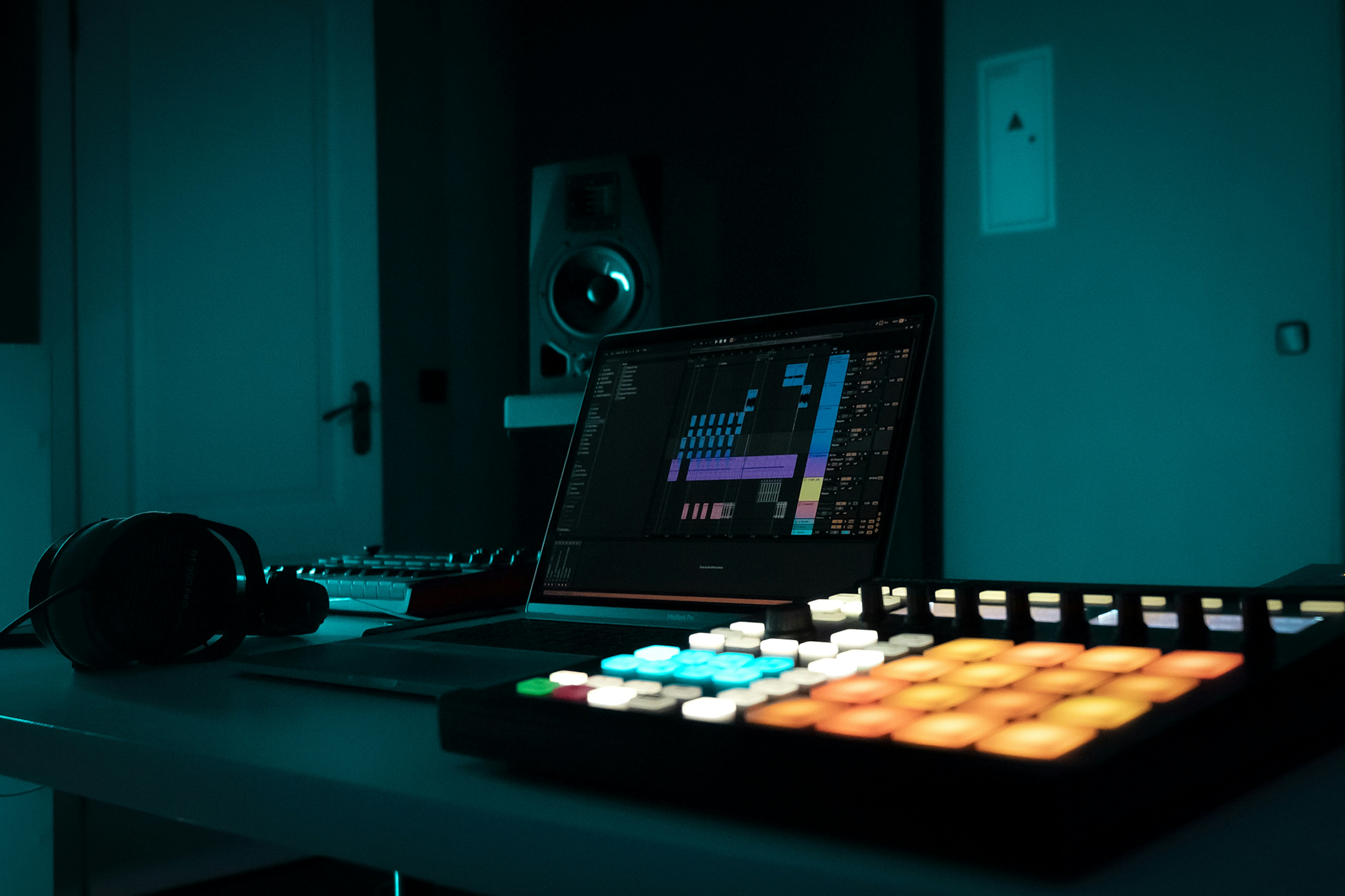
In recent years, the emergence of AI music creation tools has revolutionized the landscape for independent artists. These innovative technologies empower creators to produce high-quality music without needing extensive formal training or costly equipment. Diverse AI-driven platforms have been introduced, providing a range of functionalities that cater to varying artistic needs.
Among the most prominent tools are music composition algorithms, which analyze existing styles and genres to generate new compositions. These algorithms can assist artists in overcoming creative blocks, offering a plethora of melody and harmony options that can be tailored to individual preferences. An example of such technology is OpenAI’s MuseNet, capable of composing music across various genres and complexity levels, reflecting a sophisticated understanding of music theory.
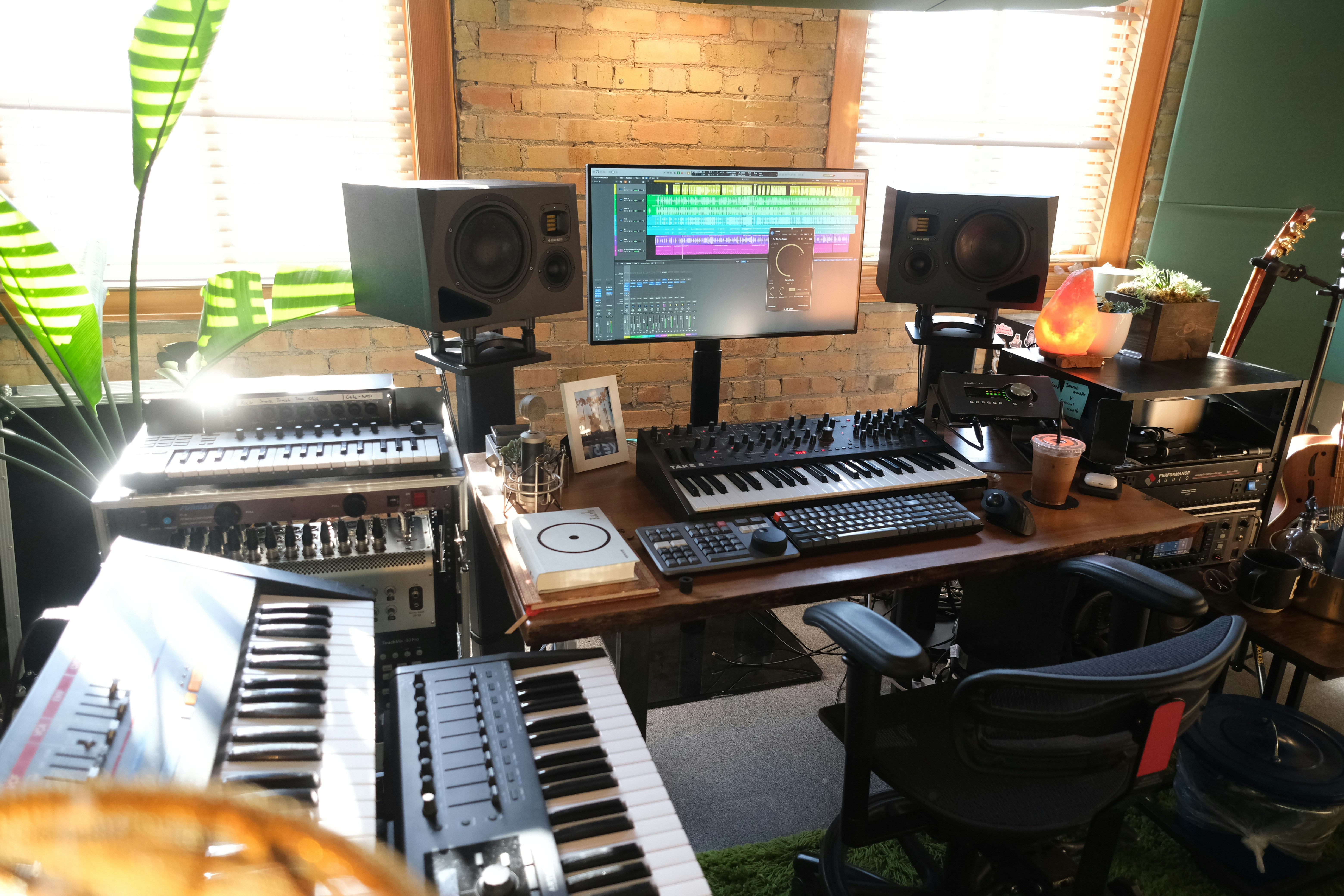
Virtual instruments also play a crucial role in this new era, allowing artists to access high-quality sounds that were once available only through expensive gear. These AI-powered instruments can dynamically adapt and learn from the user’s input. Consequently, artists can focus on their creative process rather than the technicalities of sound production. Tools like Google’s Magenta provide an intuitive interface for creating complex sounds and melodies through machine learning techniques.
Sound design tools further enhance the capabilities available to artists, offering AI-assisted options for crafting unique audio textures and effects. These technologies analyze existing sound samples to produce imaginative variations, enabling creators to explore an array of sonic possibilities. The accessibility of these AI tools has made them an integral component of many digital artists’ workflows, facilitating smoother transitions from songwriting to final production.
Independent musicians can now leverage these advancements to compete effectively in the music industry, lowering barriers to entry and enhancing their creative potential.
Spotify: The Game Changer for Independent Musicians
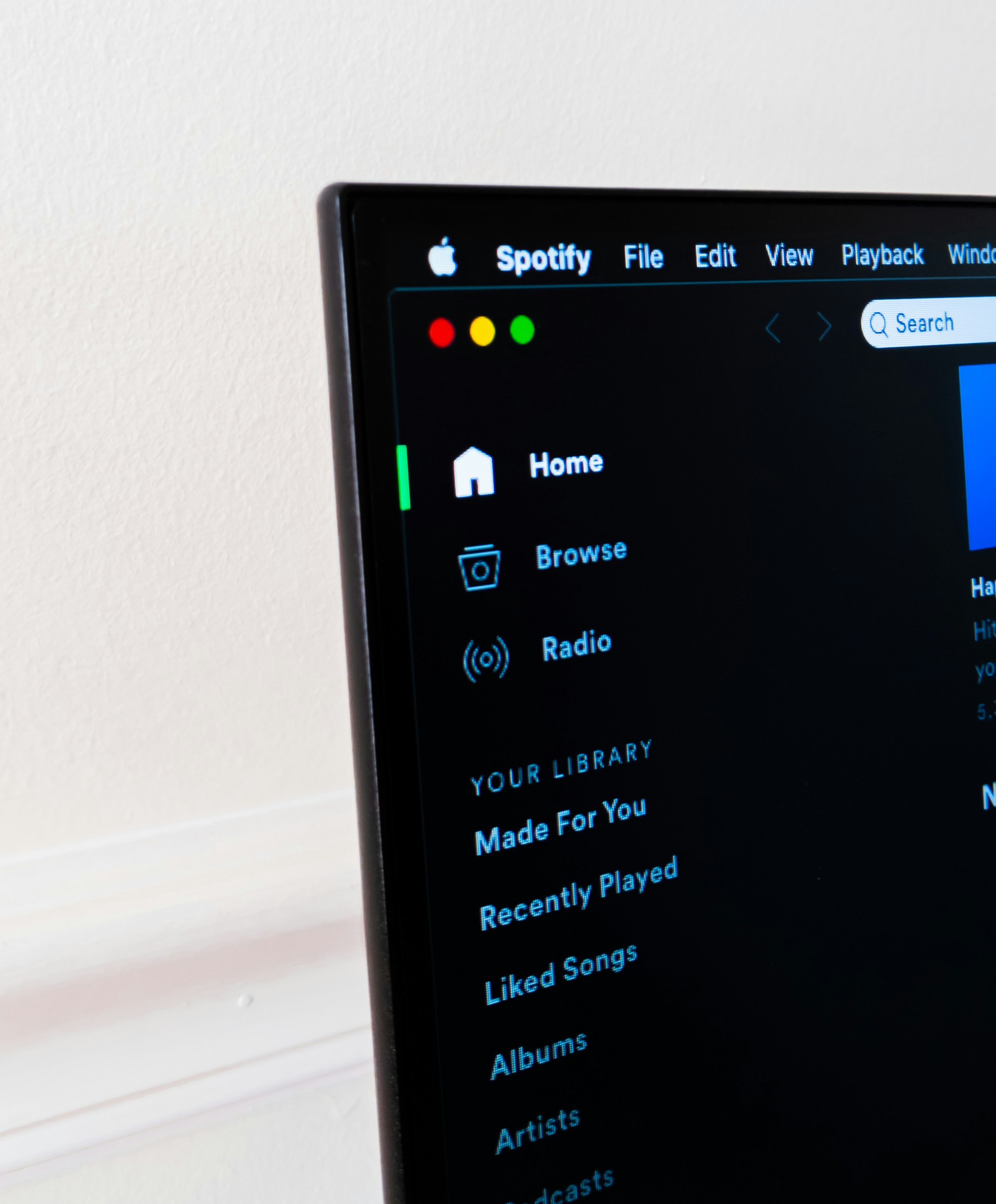
In recent years, the rise of Spotify has fundamentally transformed the landscape of music distribution, offering independent artists unprecedented advantages. Unlike traditional music distribution systems, which often favored established record labels, Spotify provides independent musicians the opportunity to reach a global audience without the need for extensive financial backing. The platform democratizes access to music, allowing artists from various backgrounds to showcase their work and build a following on their own terms.
One of the most significant benefits of Spotify is its advanced algorithms designed for music discovery. These algorithms intelligently curate playlists that reflect user preferences, creating a seamless experience for listeners. By utilizing these algorithms, independent artists can have their music included in popular playlists, greatly enhancing their visibility. With the right strategies, a single track can reach thousands, if not millions, of potential fans within a short timeframe.
Furthermore, Spotify encourages audience engagement through numerous features. For instance, artists can connect directly with their listeners through social media integration and promotional tools available on the platform. Engaging with fans not only fosters a loyal community but also encourages more organic growth, as satisfied listeners are more likely to share songs within their networks. These interactions, combined with the data analytics provided by Spotify for Artists, allow musicians to refine their promotional efforts and target specific demographics effectively.
Moreover, Spotify offers various promotional tools that can further enhance an artist’s reach, such as sponsored playlists and targeted advertisements. Utilizing these features can significantly amplify an independent musician’s presence and facilitate their entry into new markets. Overall, the combination of global accessibility, effective music discovery algorithms, and robust engagement tools makes Spotify a pivotal platform for independent musicians navigating today’s competitive music industry.
Growth Opportunities for Independent Artists Using AI and Streaming
The advent of artificial intelligence (AI) in the music industry has opened unprecedented growth opportunities for independent artists. Streaming platforms, particularly Spotify, have become pivotal in this evolution, allowing musicians to leverage AI tools to enhance their creative processes and expand their audience reach.
One significant benefit of AI is its ability to help artists explore their unique sound. By analyzing vast libraries of music, AI tools can provide insights into trending styles, song structures, and rhythms. This data-driven approach enables independent musicians to experiment with various combinations and genres, ultimately leading to the formation of a distinctive sound that resonates with listeners. For instance, AI-driven software can suggest chord progressions or melodies that align with an artist’s vision, effectively guiding them toward innovation.
Additionally, the production process has been significantly streamlined due to AI technologies. Independent artists often face limitations in budget and resources, making it challenging to produce high-quality music. AI music tools can simplify tasks such as mixing and mastering, allowing artists to focus more on the creative elements of their work rather than technical details. Consequently, this efficiency can lead to quicker release cycles, enabling artists to keep their content fresh and engage their audience consistently.
Marketing strategies have also been enhanced through AI integration. Platforms like Spotify utilize algorithms to curate playlists based on user preferences, which can be a game-changer for emerging artists. By understanding these algorithms, independent musicians can tailor their marketing efforts to align with Spotify’s guidelines, effectively increasing their visibility. Successful case studies demonstrate that several independent artists have gained significant traction on Spotify, attributing their achievements to utilizing AI tools for both music creation and marketing.
Challenges and Considerations in the AI-Driven Music Landscape
The integration of artificial intelligence (AI) into the music industry has ushered in a new horizon for independent artists, but it is not without its challenges. One significant concern pertains to copyright issues. As AI systems learn from vast datasets comprising pre-existing music, questions arise regarding the ownership of the compositions that these systems generate. Independent musicians must navigate a complex legal landscape to ensure that their creative works are protected and that they are not unintentionally infringing on the intellectual property of others.
Moreover, quality control becomes a pertinent issue in an AI-driven music environment. While AI can produce music at a remarkable pace, the authenticity and emotional depth often associated with human creations may be lacking. Independent artists must find ways to differentiate their works from AI-generated pieces, ensuring that they retain a sense of individuality and connection to their audience. As the market becomes more saturated with AI-produced content, standing out will be increasingly challenging.
Ethical considerations also come into play in this rapidly evolving landscape. The debate surrounding the authenticity of music created by machines raises questions about the value placed on human creativity versus algorithmic composition. Independent artists may grapple with how to incorporate AI tools into their workflow without losing their artistic identity. To maintain relevance, they might explore strategies such as blending human artistry with AI technology, ultimately creating a unique sound that embraces innovation while honoring traditional craftsmanship.
In this competitive digital age, it is imperative for independent musicians to stay true to their original voice. Leveraging AI should enhance rather than replace their artistic expression. By acknowledging the limitations of technology and focusing on authentic storytelling through their music, independent artists can navigate the complexities of the AI music landscape effectively.