Making Money with AI-Generated Music: Strategies for Success
Understanding AI-Generated Music AI-generated music refers to music compositions created by artificial intelligence systems. These systems utilize algorithms and machine learning to analyze existing music and learn from various styles, genres, and structures. By processing vast amounts of data, AI models can generate original pieces of music that mimic the nuances and complexities of human-created compositions. The core technologies enabling AI music generation include neural networks, particularly deep learning algorithms, which are adept at recognizing patterns and making predictions based on input data. Machine learning, a subset of AI, plays a pivotal role by allowing systems to learn from musical data without being explicitly programmed. Over time, AI can refine its capabilities, improving the quality and creativity of its outputs based on feedback and new musical inputs. There are several benefits to incorporating AI in music production. Firstly, it allows for increased efficiency, as AI can compose music at a much faster rate than human counterparts. This rapid generation of music can be beneficial for various applications, including film scoring, video game soundtracks, and background scores. Additionally, the use of AI can facilitate innovative sound exploration, leading artists and producers to uncharted musical territories and styles that they may not have considered. Moreover, AI-generated music can help democratize music creation by providing tools for individuals who may lack traditional musical training. With user-friendly AI music applications, anyone can create appealing compositions, thereby fostering creativity and broadening opportunities in the music industry. Overall, AI-generated music is reshaping the musical landscape, combining technology and artistry in unprecedented ways. Platforms for Monetizing AI Music As AI-generated music gains popularity, artists are increasingly seeking avenues to monetize their creative outputs. Various platforms now serve as effective conduits for artists to upload and distribute their AI music, providing opportunities for earnings through royalties and other monetization strategies. One of the leading platforms is Spotify, widely recognized for its extensive user base. Artists can create profiles and submit their tracks to be featured on playlists, enhancing visibility. Spotify employs a streaming model whereby artists earn royalties based on the number of streams. Thus, promoting tracks effectively on social media can significantly boost engagement and, subsequently, earnings. YouTube is another prominent platform where creators can upload AI-generated music, allowing for a wider reach. Monetization on YouTube typically occurs through ad revenues, with the platform rewarding artists for views and engagement metrics. Creators may also utilize the YouTube Music service, which pays royalties based on user interactions. Adding visually appealing elements to video content can further attract viewers, increasing potential revenue. TikTok has emerged as a significant platform for music discovery, especially among younger audiences. By creating short videos that incorporate AI music, artists can tap into viral trends, expanding their listener base. TikTok offers a unique monetization model where artists can benefit from brand partnerships and promotional campaigns, thus diversifying income streams. In addition to these platforms, sound libraries such as Epidemic Sound and Artlist allow artists to monetize their AI music by licensing tracks for commercial use. This pathway opens doors to filmmakers, advertisers, and content creators seeking quality music for their projects, thus generating additional revenue opportunities. In conclusion, leveraging various platforms is vital for artists looking to monetize AI-generated music. By understanding each platform’s specific monetization models and actively promoting their work, artists can maximize their earnings and build a sustainable career in the evolving landscape of music composition. Building Passive Income with AI Music Creating a reliable stream of passive income through AI-generated music involves several strategic approaches. One effective method is to develop a diverse catalog of music that can be licensed, streamed, or sold. By using AI music generation tools, artists can produce high-quality tracks in various genres quickly and efficiently, catering to different audiences and markets. Licensing is one of the most lucrative avenues for generating passive income with AI music. Platforms such as AudioJungle and Epidemic Sound allow creators to upload their tracks, granting them rights for commercial use while earning royalties whenever their music is used in videos, commercials, or applications. Additionally, producing ambient tracks or soundscapes can attract clients from industries like wellness and meditation, further expanding income opportunities. Freelance opportunities also abound in the realm of AI-generated music. Websites such as Fiverr and Upwork enable musicians to offer bespoke AI music solutions. By providing customized tracks or soundscapes tailored to individual client needs, artists can ensure they tap into a steady flow of project-based revenue. Promoting these services through social media platforms like Instagram, Facebook, and TikTok can significantly enhance visibility and client engagement. Digital distribution is another critical component for building passive income. Utilizing services such as DistroKid or TuneCore, creators can distribute their music to major streaming platforms, ensuring that their works are accessible to a wider audience. The key to successful distribution lies in consistent output; by regularly releasing new tracks, artists can keep their listeners engaged and maintain a steady revenue stream. In conclusion, successfully building passive income through AI-generated music requires a multifaceted approach. By syndicating music for licensing, capitalizing on freelance opportunities, employing digital distribution techniques, and leveraging social media marketing, creators can establish a sustainable and lucrative music career. Success Stories: Artists Thriving with AI Music In recent years, numerous artists and producers have embraced AI-generated music, resulting in remarkable success stories that exemplify the potential of this technology. One prominent case is that of singer-songwriter Taryn Southern, who utilized AI tools to co-create her album, I Am AI. By collaborating with an AI music platform, she was able to generate melodies and lyrics, ultimately blending traditional songwriting with advanced technology. This innovative approach garnered attention from major media outlets, allowing Taryn to establish herself as a pioneer in the AI music space. Her experiences demonstrate that artists can effectively leverage AI to enhance their creative processes while also reaching a broader audience. Another inspiring example is that of the electronic pop duo YACHT, who used AI systems to create an entire album, Chain Tripping. The group integrated
The Future of AI Music: Embracing the Digital Harmony
Introduction to AI Music Artificial intelligence has emerged as a transformative force in various sectors, and the music industry is no exception. AI music, defined as compositions created or enhanced by algorithms, has gained traction in recent years, revolutionizing how music is produced, consumed, and experienced. This new technological wave introduces innovative techniques that allow for the generation of sound, melodies, and even entire compositions, thereby expanding the possibilities of music creation. The integration of AI into the music industry suggests a future where virtual artists and automated compositions become commonplace. Unlike traditional music creation, which relies heavily on human emotion, intuition, and experience, AI-generated music is the product of extensive data analysis and pattern recognition. Algorithms analyze vast amounts of musical data to create new pieces that can mimic existing styles or introduce entirely novel concepts. This process not only streamlines the production of music but also opens up new avenues for creativity, allowing artists to explore sounds and styles that may not have been possible in a purely human context. The implications of AI in music extend beyond creation; they also include the ways listeners interact with and experience music. AI technologies can personalize music recommendations to individual tastes, making it easier for listeners to discover new tracks they may enjoy. However, this advancement raises questions about authenticity and the emotional connection between music and its audience. While AI can produce technically proficient music, critics argue that it may lack the emotional depth that is often a signature of human-created works. As we navigate this evolving landscape, understanding these dynamics will be essential for both artists and audiences. The Rise of Virtual Artists and AI Bands The emergence of virtual artists and AI bands has taken the music industry by storm, signaling a notable shift in the creation and consumption of music. These digital entities, often crafted through advanced algorithms and generative processes, present a new frontier for both aspiring musicians and established artists. With the ability to produce music autonomously, these virtual performers are reshaping the boundaries of creativity and ownership in the music landscape. One prominent example of this trend is the virtual pop star Hatsune Miku, a holographic singer originating from Japan. Miku has captured global attention, performing live concerts and boasting a dedicated fanbase. This demonstrates how the integration of AI can generate a new form of entertainment, combining technology and artistry in an innovative way. Similarly, projects like YACHT’s “I Thought the Future Would Be Cooler,” which involved an AI that created an entire album out of the band’s previous works, highlight the collaborative potential between humans and machines in creating music. AI bands like Ghostwriter are also gaining traction, which use machine learning to craft songs that resonate with listeners. These entities not only perform but also engage with audiences via social media, transforming traditional music marketing approaches. Through algorithms analyzing listener preferences, they tailor their performances, creating an interactive experience that challenges conventional artist-audience dynamics. Reception among audiences varies, with some embracing the novelty and technological innovation, while others express skepticism about the human touch in music. Critics argue that the absence of a human element diminishes the emotional authenticity that fans often seek. Nonetheless, AI-generated music is becoming more prevalent, with many gaining respect for its creativity. As virtual artists and AI bands continue to evolve, they represent a fascinating aspect of the future of music, merging digital technology with artistic expression. Impact on the Digital Music Industry The advent of artificial intelligence (AI) is significantly transforming the digital music industry. Traditionally driven by human composers and musicians, the landscape is now characterized by the increasing presence of AI-generated music. As artists and producers incorporate AI tools into their creative processes, the methods of music distribution and monetization are evolving at an unprecedented pace. Distribution channels have broadened with the rise of AI music platforms that cater to creators seeking innovative ways to share their work. Services that employ AI technology facilitate the creation, mixing, and production of music, enabling artists to craft unique soundscapes effortlessly. Streaming platforms are also adapting, with some prioritizing AI-generated content, thus allowing listeners to explore a wider variety of music than ever before. Major services now frequently showcase playlists curated by AI, offering personalized recommendations that enhance listener engagement. Moreover, the monetization strategies within the digital music sphere are being redefined. Artists utilizing AI tools can produce songs at a faster rate, potentially increasing their output and revenue streams. Licensing opportunities have expanded, as creators can license AI-generated tracks for various media, including commercials, films, and video games. This diversification of income sources underscores the flexible nature of AI music in today’s economy. The changing landscape of music consumption is evident as audiences become more open to AI-generated content. The integration of AI within music not only alters how tracks are created but also how they are consumed. As consumers become accustomed to AI collaborations, they may expect a blend of technology and artistry in music experiences. Overall, the impact of AI on the digital music industry is profound, reshaping how music is created, distributed, and monetized, thereby ushering in a new era of musical innovation. The Future Outlook for AI in Music The future of AI in the music industry is poised for remarkable advancements, as artificial intelligence continues to evolve and integrate into various facets of creativity. With advancements in machine learning algorithms and natural language processing, we are likely to see AI systems that can compose music across various genres, offering musicians innovative tools that enhance their creative processes. This not only includes generating melodies and harmonies, but also enabling real-time collaboration with human artists, leading to hybrid creations that merge human intuition with AI’s computational capabilities. Moreover, the societal implications of AI music creation are profound. As more compositions are generated through AI, questions about authorship and intellectual property will arise. Music lovers may find themselves drawn to both AI-generated works and human compositions, leading to a rich tapestry
Apollus – Las Aguas de Tu Amor
Apollus – Cicatriz de Luna
She Was Made of Stars
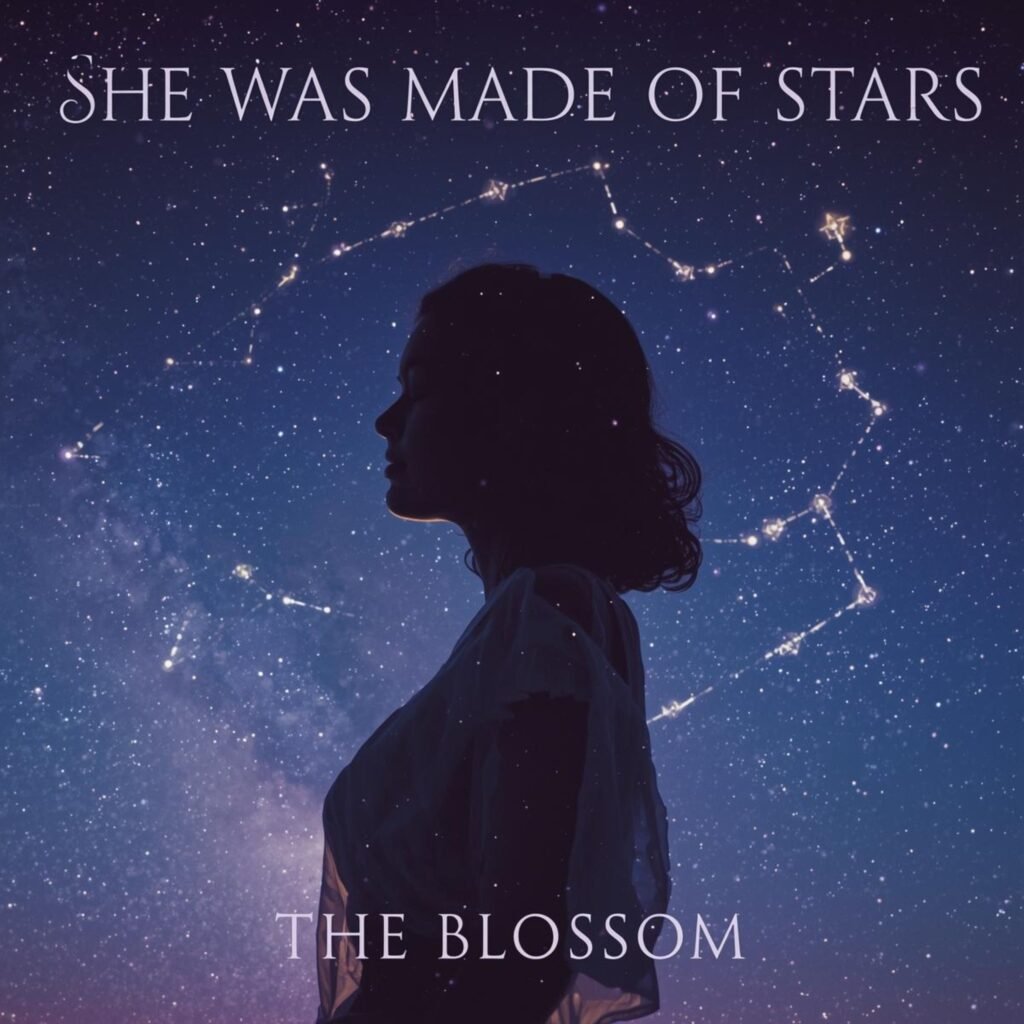
She Was Made of Stars The Blossom
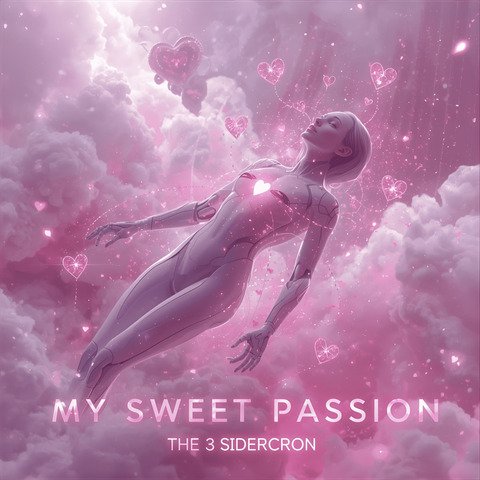
The 3 sidercron – My Sweet Passion
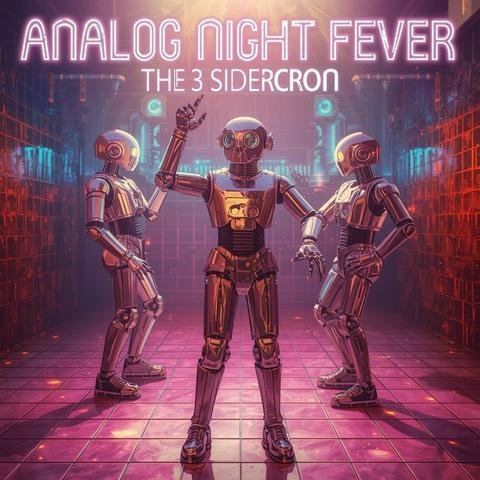
The 3 sidercron – Analog Night Fever
The 3 sidercron – Plastic Dreams on Repeat
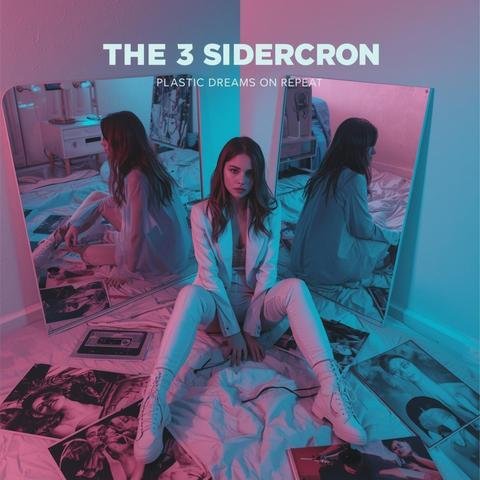
The 3 Sidercron Plastic Dreams on Repeat
Artyllads: Where Artificial Intelligence Meets Music Creation
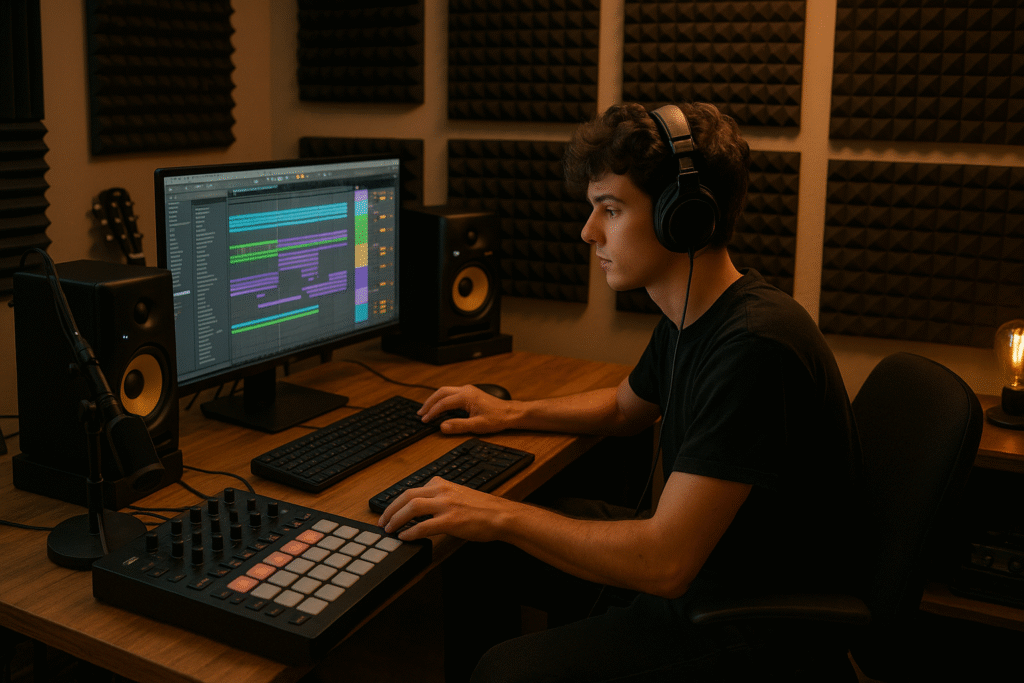
Artyllads is a new-generation music platform built at the intersection of artificial intelligence, creativity and digital culture. Designed for a global audience, Artyllads develops original music projects created entirely through AI, transforming technology into a powerful artistic tool. Every song, band and concept presented on the platform is the result of intelligent systems combined with creative direction, delivering real music experiences through virtual artists. Unlike traditional music labels, Artyllads does not promote third-party artists. All bands and songs are original productions developed inside the platform. Each virtual band represents a unique musical identity, genre and emotional atmosphere — from electronic and pop to soul, gospel and cinematic soundscapes. This structure allows Artyllads to explore multiple musical universes while maintaining consistency, originality and artistic control. One of the core pillars of Artyllads is accessibility. All music projects are available on major streaming platforms such as Spotify, allowing listeners around the world to discover, save and share AI-created music just like any traditional artist. By embracing streaming algorithms and digital distribution, Artyllads proves that AI music can perform organically, connect emotionally and grow real audiences. Artyllads also embraces the power of social media and short-form content. Many of its songs are used by creators on platforms like TikTok, Reels and Shorts, helping virtual bands reach new listeners through authentic engagement rather than traditional promotion. This approach reflects how modern audiences discover music today — visually, emotionally and instantly. Beyond music, Artyllads represents a broader vision of the future of creative industries. It challenges the idea that art must always come from human performers to feel meaningful. Instead, Artyllads shows that artificial intelligence, when guided by creative intent, can generate music that resonates, tells stories and creates lasting emotional connections. Artyllads is not a trend experiment. It is a long-term project focused on innovation, scalability and artistic evolution. As artificial intelligence continues to reshape creative fields, Artyllads stands as a bridge between technology and emotion — proving that the future of music is not only digital, but deeply expressive. Keywords: Artyllads, AI music, artificial intelligence music, virtual bands, AI-generated music, digital music platform, future of music, streaming music AI
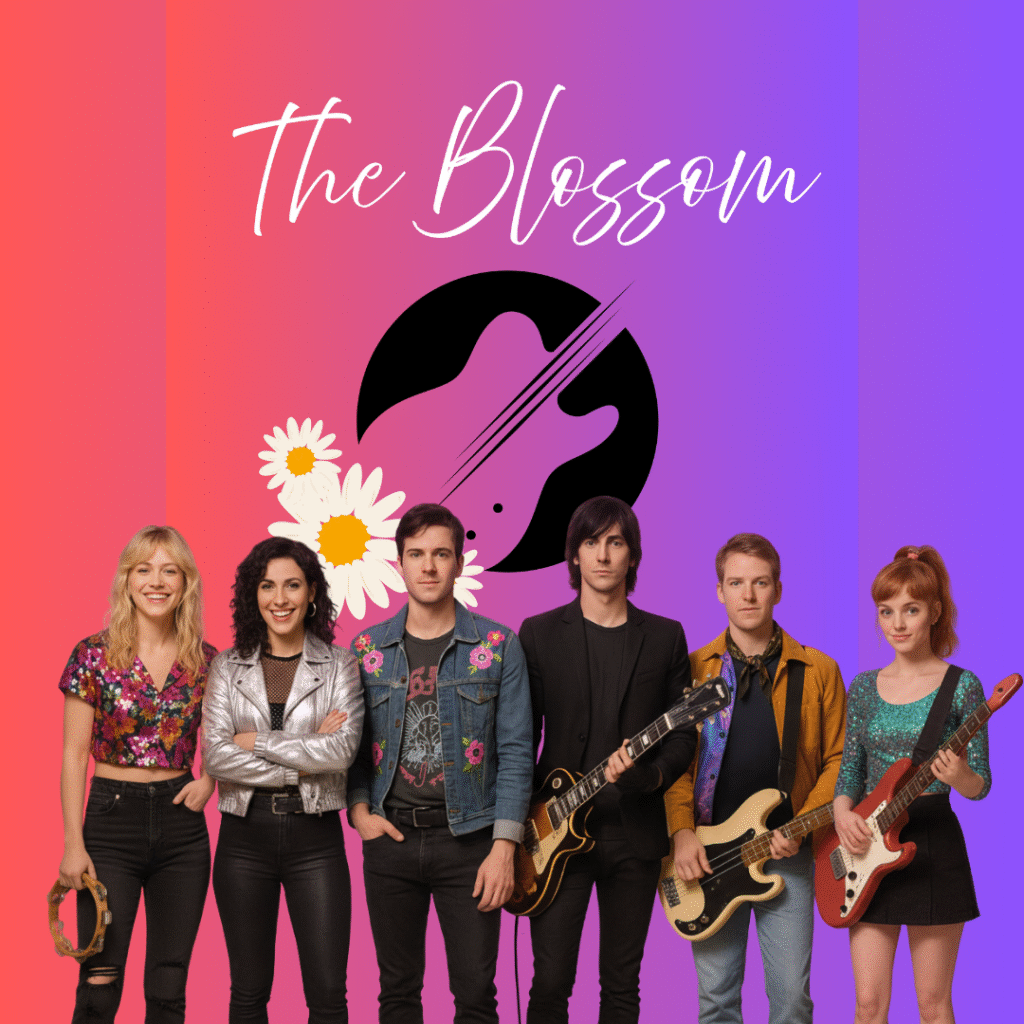
About The Blossom
The Blossom: Timeless Romance and Nostalgic Soul Through AI Music The Blossom is a virtual band created by Artyllads that brings together nostalgia, romance and soulful melodies through artificial intelligence–driven music. Inspired by the emotional richness of the 70s and 80s, combined with modern production techniques, The Blossom delivers songs that feel warm, cinematic and deeply emotional. The band’s sound is rooted in classic romantic pop, soft soul, disco influences and melodic arrangements that evoke memories, intimacy and timeless love stories. Each track is carefully designed to feel familiar yet fresh, allowing listeners to reconnect with emotions that transcend generations. Through AI-generated composition guided by artistic direction, The Blossom proves that technology can preserve the emotional essence of classic music while adapting it to today’s digital listening habits. Songs like You Are Unforgettable, Dancing Shadows and Summer Love highlight the band’s ability to transform nostalgia into modern musical experiences. The Blossom’s music has found strong organic reach on streaming platforms such as Spotify, where listeners often return to the songs for moments of reflection, relaxation and emotional connection. The tracks are also frequently used in short-form content on TikTok and Instagram, where their melodic and romantic atmosphere enhances storytelling and visual emotion. As a virtual project, The Blossom does not rely on traditional performers or live shows. Instead, it focuses on sound, feeling and narrative. Artificial intelligence becomes a creative tool that allows the band to continuously release music while maintaining a consistent emotional identity. Within the Artyllads universe, The Blossom represents the bridge between past and present — honoring classic romantic music while exploring the future of AI-powered artistry. It stands as an example of how virtual bands can create genuine emotional bonds with listeners around the world. The Blossom is more than a nostalgic project. It is a living musical experience that shows how love, memory and emotion can be reimagined through artificial intelligence without losing their soul. Keywords: The Blossom, AI music, virtual band, nostalgic pop, romantic music, 70s music style, 80s music influence, AI-generated songs, soul pop, Artyllads