✨ The Divas Five — Glamour, Emotion and the Power of Pop
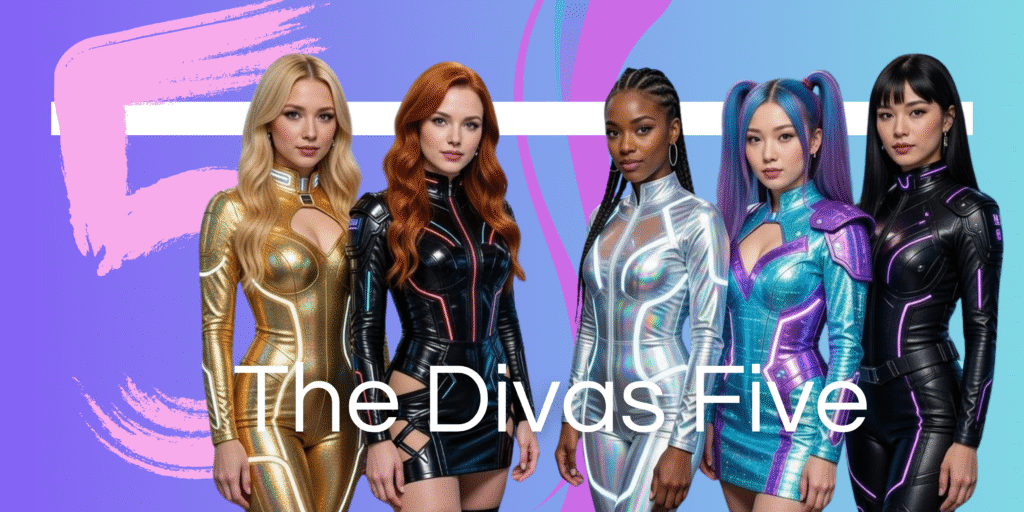
The Divas Five is a virtual music group created by Artyllads Music, bringing together the energy of 90s and 2000s pop with modern production, emotional storytelling, and powerful visual identity. Inspired by iconic girl groups, pop divas, R&B influences, and dance anthems, the project was designed to create music that feels glamorous, emotional, energetic, and globally appealing. Every song blends catchy melodies, expressive vocals, cinematic atmospheres, and memorable choruses that instantly connect with listeners. The group explores multiple styles within modern pop culture, from romantic ballads and emotional love songs to upbeat dance tracks and empowering anthems. Their music captures the nostalgia of classic pop eras while introducing a futuristic and digital approach through AI-powered creativity. Songs like Promise Me Forever, My Love, Glitter Revolution, and The Chorus Of Us showcase the versatility of the group, moving between emotional storytelling and high-energy pop experiences designed for streaming platforms and social media trends. Visually, The Divas Five embraces a luxurious and vibrant aesthetic inspired by fashion, neon lights, stage performances, and modern pop entertainment. Each member has a unique personality and artistic identity, helping the band feel immersive and emotionally engaging for audiences worldwide. This strong visual branding makes the group ideal for TikTok edits, Instagram Reels, YouTube Shorts, fan content, and digital entertainment culture. As part of the Artyllads Music universe, The Divas Five represents the future of virtual music artists — where artificial intelligence, storytelling, music production, and visual creativity merge into a new generation of entertainment. The project was built for the streaming era, creating songs designed to increase emotional connection, replay value, and audience engagement across global platforms. More than just a virtual band, The Divas Five is a celebration of emotion, glamour, empowerment, and modern pop energy. Whether through romantic melodies or dancefloor-ready beats, the group invites listeners into a world where music becomes both an emotional escape and an unforgettable experience. 💖🎶✨
🌸 The Blossom — Timeless Romance Reimagined for a New Generation
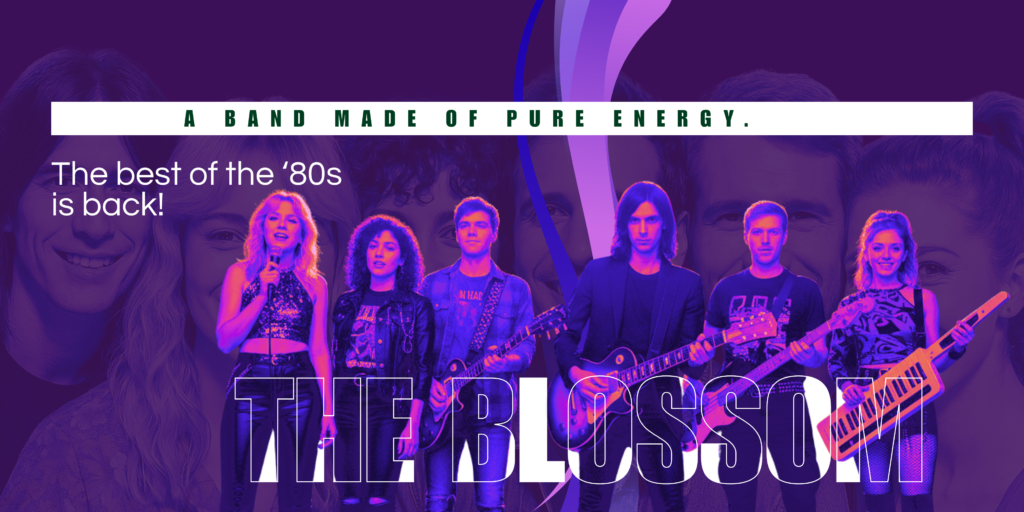
In a world dominated by fast trends and disposable music, The Blossom brings back the emotional magic of timeless romantic melodies. Created by Artyllads Music, this virtual band was designed to capture the nostalgic soul of the 70s and 80s while blending it with modern production, cinematic atmospheres, and emotionally immersive storytelling. Every song by The Blossom feels like a memory transformed into music — warm, intimate, emotional, and deeply connected to the listener. Inspired by classic love songs, soft soul, retro pop, and dreamy ballads, The Blossom creates music for late-night thoughts, unforgettable moments, and emotional journeys. Their sound combines expressive vocals, smooth harmonies, vintage-inspired instrumentation, and modern sonic textures that make every track feel both nostalgic and fresh at the same time. Whether it’s a romantic slow dance vibe or a reflective emotional atmosphere, the band was created to make listeners feel connected through melody and emotion. Songs like You Are Unforgettable, Dancing Shadows, Summer Love, and Promise Me Forever showcase the identity of The Blossom — music made to be felt, remembered, and shared. The project has become part of the growing movement of virtual artists and AI-powered music experiences that are redefining how music is created and consumed in the streaming era. Through Spotify, TikTok, Instagram Reels, and YouTube, listeners from different parts of the world are discovering a new way to experience emotional music through digital artistry. More than just a virtual band, The Blossom represents a fusion between nostalgia and innovation. Artyllads Music uses artificial intelligence as a creative tool to build immersive musical identities capable of connecting with global audiences emotionally and visually. Every release is carefully crafted to deliver atmosphere, beauty, and emotional depth while maintaining a consistent artistic identity that listeners can instantly recognize. If you love romantic music, nostalgic melodies, cinematic vibes, and songs that feel timeless, The Blossom invites you into a universe where emotion never fades. 🌸🎶✨
Exploring Artyllads Music: A New Era of Virtual Artists
The Rise of Virtual Bands The emergence of virtual bands represents a significant shift in the music industry, largely driven by advancements in technology and the proliferation of digital platforms. This innovative concept allows artists to exist and perform within digital realms, untethered from the geographical limitations that traditional bands often face. Artyllads Music is at the forefront of this transformation, introducing a new era of virtual artists that captivates audiences around the globe. Virtual bands are characterized by their unique compositions and the avatars that represent them, showcasing how technology plays a crucial role in music creation. Instead of relying solely on physical performers, these digital entities leverage software capabilities to produce music, often leading to collaborative works between artists who may never meet in person. This modern approach to music instantly resonates with a streaming generation accustomed to accessing entertainment online and participating in virtual experiences. One notable example of a successful virtual band is Gorillaz, which has paved the way for others through its innovative use of animated characters and storytelling within the music. Their ability to blend various genres while maintaining an engaging narrative has placed them in a unique position within the music landscape. Similarly, other virtual artists have emerged, each crafting distinctive identities, which allows them to connect with diverse audiences. The difference between virtual bands and traditional artists primarily lies in their digital presence and the mechanisms through which they engage fans. As the music industry continues to evolve, it is evident that virtual bands are not merely a fleeting trend. Their rise signals a new chapter in music creation, where technology and artistry converge in unprecedented ways. With platforms that showcase these virtual performers, it becomes clear that Artyllads Music is not only embracing this change but also leading the charge into a future filled with limitless possibilities for artistic expression. Artificial Intelligence in Music Creation Artificial intelligence (AI) has emerged as a transformative force in the music industry, particularly through innovative projects that utilize AI in music creation, production, and performance. In recent years, companies like Artyllads Music have pioneered the development of digital artists powered by AI, leading to fresh perspectives on music composition and artistry. One of the key benefits of incorporating AI into the music creation process is the ability to generate unique and diverse compositions. AI systems can analyze extensive databases of music, learning patterns and structures that characterize various genres and styles. This enables them to produce original tracks that may influence traditional music-making. Consequently, musicians and producers can collaborate with AI as a creative partner, expanding their artistic boundaries and enabling new modes of expression. Despite its advantages, the integration of AI into the creative process also raises several challenges. One significant concern is the potential loss of the human touch that defines much of music’s emotional impact. Critics argue that while AI-generated music can be technically proficient, it may lack the depth and nuance of human-created works. Furthermore, there are ethical implications surrounding authorship and the ownership of AI-generated music, sparking ongoing debates within the industry. The future implications of AI in music creation are profound. As technology continues to evolve, we can expect increasingly sophisticated AI systems capable of collaborating more seamlessly with human artists. This partnership could lead to the emergence of entirely new genres and styles of music, reshaping the sonic landscape in unprecedented ways. Overall, AI represents a significant milestone in the evolution of music, challenging established notions of creativity while offering exciting opportunities for innovation. The Fusion of Storytelling and Modern Visuals In the realm of digital artistry, the integration of storytelling and striking visuals is paramount in fostering a compelling experience for audiences. Artyllads Music exemplifies this notion by blending narrative elements with impressive visual design to forge a cohesive artistic identity for their virtual bands. By doing so, they engage listeners not merely through music but through a holistic storytelling experience that captivates the imagination. The use of storytelling in Artyllads Music allows for the establishment of rich backgrounds and character development, akin to traditional forms of media. Each virtual artist possesses a narrative arc that listeners can follow, making the music more relatable and enhancing emotional resonance. This method goes beyond just a collection of songs; it builds an engaging universe where fans can immerse themselves in the lives, struggles, and triumphs of these digital personas. Furthermore, the incorporation of modern visuals plays a crucial role in amplifying the narrative. High-quality animations, innovative design elements, and visually appealing music videos complement the auditory experience, creating a multisensory journey for the audience. When striking visuals are synchronized with musical elements, they provide a platform for storytelling that extends beyond audio. This synergy not only bolsters aesthetic appeal but also fosters a deeper connection between artists and their audience, ultimately leading to heightened engagement. In this digital age, where attention spans are fleeting, Artyllads Music capitalizes on the power of storytelling and modern visuals to deliver an immersive experience that captivates their audience. By weaving together narrative depth and visual artistry, they set a benchmark in the emerging world of virtual artists, further indicating the importance of this fusion in elevating digital music experiences. Global Music Styles and Cultural Fusion In recent years, the music industry has witnessed an unprecedented fusion of global music styles, significantly shaping the sound of contemporary artists. This trend is particularly evident in the offerings from Artyllads Music, where the virtual artists are not merely products of a single musical tradition, but rather a tapestry woven from diverse cultural threads. The blending of genres such as pop, hip-hop, traditional folk, and electronic music has become a hallmark of their sound, reflecting the interconnectedness of our global society. The significance of cultural fusion in modern music cannot be overstated. It serves as a crucial platform for artists to express their unique identities while simultaneously fostering an inclusive musical environment. Artyllads Music’s virtual artists effectively transcend geographical barriers, reaching audiences who might have previously
AI Music and Spotify: A New Era for Independent Artists
The Rise of AI Music Creation Tools In recent years, the emergence of AI music creation tools has revolutionized the landscape for independent artists. These innovative technologies empower creators to produce high-quality music without needing extensive formal training or costly equipment. Diverse AI-driven platforms have been introduced, providing a range of functionalities that cater to varying artistic needs. Among the most prominent tools are music composition algorithms, which analyze existing styles and genres to generate new compositions. These algorithms can assist artists in overcoming creative blocks, offering a plethora of melody and harmony options that can be tailored to individual preferences. An example of such technology is OpenAI’s MuseNet, capable of composing music across various genres and complexity levels, reflecting a sophisticated understanding of music theory. Virtual instruments also play a crucial role in this new era, allowing artists to access high-quality sounds that were once available only through expensive gear. These AI-powered instruments can dynamically adapt and learn from the user’s input. Consequently, artists can focus on their creative process rather than the technicalities of sound production. Tools like Google’s Magenta provide an intuitive interface for creating complex sounds and melodies through machine learning techniques. Sound design tools further enhance the capabilities available to artists, offering AI-assisted options for crafting unique audio textures and effects. These technologies analyze existing sound samples to produce imaginative variations, enabling creators to explore an array of sonic possibilities. The accessibility of these AI tools has made them an integral component of many digital artists’ workflows, facilitating smoother transitions from songwriting to final production. Independent musicians can now leverage these advancements to compete effectively in the music industry, lowering barriers to entry and enhancing their creative potential. Spotify: The Game Changer for Independent Musicians In recent years, the rise of Spotify has fundamentally transformed the landscape of music distribution, offering independent artists unprecedented advantages. Unlike traditional music distribution systems, which often favored established record labels, Spotify provides independent musicians the opportunity to reach a global audience without the need for extensive financial backing. The platform democratizes access to music, allowing artists from various backgrounds to showcase their work and build a following on their own terms. One of the most significant benefits of Spotify is its advanced algorithms designed for music discovery. These algorithms intelligently curate playlists that reflect user preferences, creating a seamless experience for listeners. By utilizing these algorithms, independent artists can have their music included in popular playlists, greatly enhancing their visibility. With the right strategies, a single track can reach thousands, if not millions, of potential fans within a short timeframe. Furthermore, Spotify encourages audience engagement through numerous features. For instance, artists can connect directly with their listeners through social media integration and promotional tools available on the platform. Engaging with fans not only fosters a loyal community but also encourages more organic growth, as satisfied listeners are more likely to share songs within their networks. These interactions, combined with the data analytics provided by Spotify for Artists, allow musicians to refine their promotional efforts and target specific demographics effectively. Moreover, Spotify offers various promotional tools that can further enhance an artist’s reach, such as sponsored playlists and targeted advertisements. Utilizing these features can significantly amplify an independent musician’s presence and facilitate their entry into new markets. Overall, the combination of global accessibility, effective music discovery algorithms, and robust engagement tools makes Spotify a pivotal platform for independent musicians navigating today’s competitive music industry. Growth Opportunities for Independent Artists Using AI and Streaming The advent of artificial intelligence (AI) in the music industry has opened unprecedented growth opportunities for independent artists. Streaming platforms, particularly Spotify, have become pivotal in this evolution, allowing musicians to leverage AI tools to enhance their creative processes and expand their audience reach. One significant benefit of AI is its ability to help artists explore their unique sound. By analyzing vast libraries of music, AI tools can provide insights into trending styles, song structures, and rhythms. This data-driven approach enables independent musicians to experiment with various combinations and genres, ultimately leading to the formation of a distinctive sound that resonates with listeners. For instance, AI-driven software can suggest chord progressions or melodies that align with an artist’s vision, effectively guiding them toward innovation. Additionally, the production process has been significantly streamlined due to AI technologies. Independent artists often face limitations in budget and resources, making it challenging to produce high-quality music. AI music tools can simplify tasks such as mixing and mastering, allowing artists to focus more on the creative elements of their work rather than technical details. Consequently, this efficiency can lead to quicker release cycles, enabling artists to keep their content fresh and engage their audience consistently. Marketing strategies have also been enhanced through AI integration. Platforms like Spotify utilize algorithms to curate playlists based on user preferences, which can be a game-changer for emerging artists. By understanding these algorithms, independent musicians can tailor their marketing efforts to align with Spotify’s guidelines, effectively increasing their visibility. Successful case studies demonstrate that several independent artists have gained significant traction on Spotify, attributing their achievements to utilizing AI tools for both music creation and marketing. Challenges and Considerations in the AI-Driven Music Landscape The integration of artificial intelligence (AI) into the music industry has ushered in a new horizon for independent artists, but it is not without its challenges. One significant concern pertains to copyright issues. As AI systems learn from vast datasets comprising pre-existing music, questions arise regarding the ownership of the compositions that these systems generate. Independent musicians must navigate a complex legal landscape to ensure that their creative works are protected and that they are not unintentionally infringing on the intellectual property of others. Moreover, quality control becomes a pertinent issue in an AI-driven music environment. While AI can produce music at a remarkable pace, the authenticity and emotional depth often associated with human creations may be lacking. Independent artists must find ways to differentiate their works from AI-generated pieces, ensuring that
The Rise of Virtual Bands: A Revolution in Modern Music
Understanding Virtual Bands Virtual bands are a relatively new concept in the music industry that has rapidly gained popularity in recent years. Unlike traditional bands, which comprise human members who perform music together, virtual bands consist of animated characters or digitally created personas. These entities can create music, engage with fans, and even perform live through digital platforms, all without the need for human intervention. The origins of virtual bands can be traced back to early experiments with animation and digital music but have evolved significantly due to advancements in technology. The rise of technology, particularly artificial intelligence, has played a pivotal role in the emergence of virtual bands. AI-generated artists can produce unique compositions, often blurring the lines between human creativity and machine-generated work. One notable example of a virtual band is Gorillaz, which combines animated characters with a wide array of musical styles. Established in the late 1990s, Gorillaz laid the groundwork for what virtual bands could achieve, paving the way for other similar projects. Moreover, virtual bands differ markedly from traditional groups in terms of their operational and creative processes. While typical bands collaborate in person, virtual bands often function within a digital ecosystem, allowing for a flexible and diverse range of influences. This mode of operation has enabled the proliferation of global collaborations that were previously inconceivable. The possibilities offered by virtual bands are vast, as they harness technology to reach audiences worldwide. With the help of social media platforms and streaming services, these digital entities can cultivate dedicated fan bases and continuously evolve their musical styles as trends change. As such, virtual bands represent a striking example of how modern technology is reshaping artistic expression in the music industry. The Role of Technology in Virtual Music Creation The advent of technology has significantly transformed the landscape of music creation, particularly in the realm of virtual bands. The integration of artificial intelligence (AI) and advanced animation techniques has paved the way for innovative artistic expressions and performances that captivate audiences in unprecedented ways. AI plays a pivotal role in the composition and production of music within virtual bands. By analyzing vast quantities of musical data, AI algorithms can generate original melodies, harmonies, and rhythms that align with specific styles or genres. These systems aid musicians in brainstorming creative ideas, thus enhancing the overall workflow. Moreover, AI-driven tools allow for real-time music generation, enabling virtual bands to adapt their sound dynamically during live performances. In addition to AI, advancements in animation technology have revolutionized the visual representation of virtual bands. Utilizing 3D modeling and animation software, creators can design immersive avatars that not only perform alongside the music but also engage with audiences visually. This can include choreographed movements synchronized with musical beats or thematic visual backdrops that enhance the narrative of a performance. The combination of these technologies expands the creative possibilities for artists, allowing them to explore new dimensions of storytelling and engagement. Visuals and music can be seamlessly integrated to create holistic experiences that reach beyond traditional concert formats. The ability to create unique, eye-catching performances enables artists to connect with fans in a digital space, thereby reshaping the music industry and its relationship with audiences. Overall, technology serves as a cornerstone in the evolution of virtual music creation, offering tools that not only facilitate artistic expression but also challenge the conventional boundaries of music and performance. As these technologies continue to progress, they promise to unveil even more innovative pathways for future virtual bands. The Rise of Digital Pop Groups and Audience Reception The emergence of digital pop groups marks a significant evolution in the landscape of modern music, facilitated by technological advances and changing audience lifestyles. These virtual bands, characterized by their digitally created personas and innovative soundscapes, have carved a niche in the competitive music industry, attracting a dedicated following that transcends geographical boundaries. A prime example is the virtual band Gorillaz, which has effectively utilized animation and multimedia to engage fans, creating an immersive artistic universe that complements their music. Audiences have shown remarkable receptivity to these virtual artists, driven largely by the ability to access content online without the limitations of physical presence. The convenience afforded by digital platforms allows fans to connect with music and artists in real-time, fostering a sense of community among listeners who share similar tastes. Platforms such as social media and streaming services play a crucial role in promoting digital pop groups, enabling artists to interact directly with their audience, and significantly enhancing fan engagement. Moreover, the innovative experiences provided by these groups contribute to their popularity. For instance, the virtual performances of Hatsune Miku, a digital singer produced by Crypton Future Media, garner enthusiastic participation from audiences worldwide, blending music with a unique blend of visual arts. This integration of technology not only entertains but also invites fans to partake in the creative process, enhancing their emotional attachment to the artists. The growing trend of virtual bands suggests a fundamental shift in how music is consumed. As audiences increasingly prioritize accessibility and immersive experiences, digital pop groups are likely to continue their ascendancy in the music world, reshaping our understanding of artistry and connection in the digital age. This transformation in audience reception highlights the adaptability of modern music consumption strategies, placing a spotlight on the intersection of creativity and technology. Future Trends in Virtual Music Projects The trajectory of virtual bands and music projects appears optimistic, primarily driven by ongoing technological advancements. Innovations in artificial intelligence (AI) and augmented reality (AR) are set to redefine how virtual musicians create and perform. AI technology can generate music, craft lyrics, and even produce video content, allowing artists to experiment with their creative processes. This could lead to unique, genre-blending virtual music projects that captivate diverse audiences. Moreover, the rise of virtual reality (VR) promises immersive concert experiences that can transport fans into the digital realms of their favorite virtual bands. Initiatives that combine live performances with VR elements could offer audiences broader access
The Rise of AI Music in Content Creation: Enhancing Engagement Across Platforms
The Importance of Unique Audio in Content Creation In the rapidly evolving landscape of digital content creation, unique audio has emerged as a pivotal element that significantly influences viewer engagement and retention. The integration of tailored soundtracks not only sets the desired tone for videos but also enhances the storytelling capacity of the creator. For content across various platforms such as TikTok, YouTube, and Instagram, the right choice of music can effectively captivate an audience’s attention and elevate the overall viewing experience. Research indicates that videos featuring unique audio tracks see a substantial increase in viewer interaction. For instance, content on TikTok that utilizes original music can lead to 50% more engagements than those using generic sound clips. This statistic underscores the importance of creativity in audio selection, enabling creators to forge a stronger connection with their audience and pull them deeper into the narrative being presented. The role of audio extends beyond mere entertainment; it sets the emotional landscape that guides viewer perceptions and reactions. For example, in YouTube videos, creators who strategically choose background music to align with their content themes often report higher viewer retention rates. This correlation showcases the power of music not just as an enhancement, but as an essential aspect of content creation that drives audience responses. Platforms like Instagram have also adapted to the significance of audio in user-generated content. The introduction of tools allowing users to add distinctive sounds and songs to their reels further highlights how unique audio can enrich storytelling by providing context or evoking specific emotions, ultimately resulting in a more robust audience connection. Overall, the significance of unique audio in content creation cannot be overstated. It serves as a vital tool for engagement, allowing creators to develop a memorable brand identity and position themselves favorably within crowded digital spaces. AI-Generated Music: A Game Changer for Creators The advent of AI-generated music has introduced a transformative element in content creation, offering numerous benefits to creators who seek to enhance their projects seamlessly. One of the primary advantages lies in the availability of original tracks, enabling creators to access a wide array of unique, high-quality music compositions that would typically require extensive resources and time to produce. With AI tools, creators can generate personalized soundscapes tailored to their content’s needs, allowing for greater artistic expression and innovation. AI music generation involves sophisticated algorithms that analyze existing musical patterns and styles, allowing creators to generate new compositions that reflect desired characteristics. For instance, musicians and filmmakers can produce soundtracks that evoke specific emotions, ranging from joy to melancholy, simply by adjusting parameters within the AI software. This capability is particularly beneficial in the realm of digital content, where the right music can significantly increase viewer engagement and enhance the overall experience. Furthermore, AI-generated music meets the demand for fresh sounds in an industry where trends rapidly evolve. Creators can now avoid licensing complications and the potential pitfalls of copyright infringement by utilizing these original compositions. As AI technology continues to advance, it empowers creators to push the boundaries of their projects, offering them tools to craft immersive experiences that resonate with their audiences on a deeper level. With the accessibility and versatility of AI-generated music, creators can elevate their content, ensuring it remains captivating and relevant in a competitive landscape. Current Trends: How AI Music is Influencing TikTok and YouTube In recent years, the integration of AI-generated music into social media platforms like TikTok and YouTube has reshaped how content creators engage with their audiences. The algorithmic power of AI is fostering a new wave of musical trends, influencing everything from catchy sound bites to the atmospheric background scores of videos. TikTok, known for its viral dance challenges and creative short-form content, has become a breeding ground for AI-generated music. Tracks produced by artificial intelligence not only resonate with users due to their novelty but also because of their ability to evoke specific emotions and reactions. One notable trend is the rise of AI music that complements visual media seamlessly. For instance, many viral TikTok videos utilize AI-created soundscapes that enhance the viewer’s experience. Background music that adjusts dynamically based on the video’s context leads to increased engagement, as creators can customize the auditory experience to match their visual storytelling. Examples include the AI-generated tunes featured in comedic skits or transformation videos, where the music often aligns poignantly with the narrative arc, leading to shares and replays. YouTube, on the other hand, capitalizes on longer-form content where AI music has found its way into various genres, from vlogs to tutorials. Musicians and producers are leveraging AI tools to craft unique tracks that not only fit their branding but also cater to the overarching trends on the platform. Creators are increasingly opting for AI-generated music to avoid copyright issues and to access a diverse array of sounds that might not be available traditionally. This flexibility has led to a thriving ecosystem where creators can experiment more freely and engage their audiences effectively. As AI music continues to evolve, its influence on these platforms promises to grow, with creators adeptly shifting their strategies to harness this technology for enhanced viewer engagement. Future Implications: The Role of AI Music in Creative Toolkits As we look toward the future, the role of AI music within creative toolkits is poised for significant evolution. With rapid advancements in technology, the integration of artificial intelligence in music composition and production is becoming increasingly sophisticated. One of the most prominent implications is the democratization of music creation. Aspiring creators, irrespective of their musical expertise, will be able to harness AI-driven tools that generate music tailored to the specific emotional and contextual needs of their content. Moreover, as AI music capabilities expand, we can anticipate a proliferation of hybrid models blending human ingenuity with machine-generated sounds. This collaboration may enhance the richness and variety of audio output available to content creators. For instance, AI could assist in generating unique soundscapes for video content while allowing creators to inject their
The Rise of AI Music: A New Era in the Global Entertainment Industry
Defining AI Music: What Is It and How Does It Work? Artificial intelligence (AI) music refers to compositions that are created or augmented through the use of AI technologies. This innovative approach leverages complex algorithms to analyze historical data from existing music, allowing for the generation of new pieces that retain a semblance of human-like creativity. At the core of AI music generation are machine learning and neural networks, which enable computers to understand patterns, structures, and styles inherent within musical compositions. Machine learning is a subset of AI that empowers systems to learn from data inputs and improve their performance over time without explicitly programmed instructions. In the context of music, this might involve feeding an AI system a vast dataset of songs across various genres, which it then analyzes to identify common elements such as melody, rhythm, harmony, and timbre. The AI can then utilize this understanding to compose original music that reflects similar qualities. Neural networks mimic the workings of the human brain, making them particularly adept at recognizing complex patterns within the intricate world of music. Numerous tools and software designed for AI music creation have emerged, offering artists and producers new avenues for musical exploration. For instance, platforms like OpenAI’s MuseNet and Google’s Magenta project provide artists with resources to experiment with AI-generated music. These tools can assist creators in overcoming traditional barriers, facilitating more efficient music production. By automating certain aspects of the composition process, AI music tools allow musicians to focus on their artistic vision while harnessing the power of technology. Ultimately, AI music represents a fusion of artistry and technological innovation, pushing the boundaries of what is possible in the global entertainment industry. The Impact of AI Music on Artists and Creators The emergence of artificial intelligence (AI) in music production has led to a significant transformation within the creative realms of artists and composers. By leveraging advanced algorithms and machine learning technologies, AI music tools are enabling musicians to explore new sonic landscapes that were previously inaccessible. This technology not only augments the creative process but also nurtures innovation in a traditionally human-centric field. One notable impact of AI music is its ability to streamline the composing process. Musicians can utilize AI-driven platforms to generate music ideas, melodies, or even complete tracks, accelerating their workflow and allowing for greater experimentation. For instance, platforms like OpenAI’s MuseNet or Google’s Magenta empower artists to collaborate with machines and harness vast databases of music styles and genres. Such collaboration can spark unexpected directions in a musician’s creative journey, pushing the boundaries of artistic expression. Despite these advancements, there are underlying concerns regarding originality and ownership in AI-assisted music creation. As machines can generate music that closely resembles existing works, questions arise about intellectual property rights and the essence of creativity. Notable cases, such as the virtual artist AIVA (Artificial Intelligence Virtual Artist), showcase how an AI can compose symphonies that imitate human composers closely. This raises ethical dilemmas regarding the attribution of creative credit and the future of traditional music roles. The rise of AI music does not negate the role of human artists; rather, it challenges them to adapt and redefine their creative processes. As AI continues to evolve, it will likely foster a new ecosystem in the music industry where collaboration between humans and machines can coexist, ultimately leading to richer, more diverse musical landscapes. The Future of the Music Industry: Opportunities and Challenges The integration of artificial intelligence (AI) into the music industry is poised to transform the landscape of entertainment significantly. One of the primary opportunities that AI introduces is the potential to reduce production costs. By automating specific tasks, such as composition and sound engineering, AI technologies can facilitate a faster music creation process while lowering financial barriers. This could enable independent artists and smaller studios to more easily produce and distribute their music. Furthermore, AI has the capability to offer personalized music experiences tailored to individual listeners. Through advanced algorithms, AI can analyze user preferences and habits to create customized playlists and recommend tracks that align with a listener’s specific tastes. This level of personalization could enhance listener engagement and satisfaction, leading to increased consumption of music. However, the rise of AI in the music industry does not come without challenges. One significant concern revolves around the ethical implications of AI-generated content. Issues such as copyright ownership and the authenticity of music created by machines need careful consideration. The blurred lines between human creativity and automated processes may lead to questions about what constitutes original work and the rights associated with it. Additionally, there is a growing apprehension regarding the potential displacement of traditional musicians and roles within the industry. As AI tools become increasingly sophisticated, there is a fear that they may undermine the livelihood of artists and songwriters, especially those who rely on traditional methods of music production. This challenge raises critical discussions about the balance between embracing innovation and preserving the human element in music creation. The Global AI Music Revolution: Transforming Entertainment Worldwide The integration of artificial intelligence into music production and distribution marks a transformative phase in the global entertainment industry. AI music tools are revolutionizing how content is created, shared, and consumed, signaling changes that resonate across various facets of the music world. Streaming platforms are at the forefront of this AI music revolution. With algorithms capable of analyzing listener preferences, these platforms are curating personalized music experiences that adapt in real-time. Machine learning models can interpret user data, allowing listeners to discover new artists and genres tailored to their tastes. This personalization fosters a deeper engagement with music, positioning AI music as a vital player in the evolution of streaming services. Moreover, the impact of AI music extends to live performances, where technology facilitates unique experiences through dynamic setlists and augmented reality enhancements. Artists can collaborate with AI to produce live renditions that are innovative and engaging. This not only elevates the concert experience but also allows for a greater
Inside Artyllads Music: Exploring Virtual Bands and AI Creativity
The Genesis of Artyllads Music Artyllads Music emerged from the intersection of technology and creativity, founded by a group of visionaries passionate about transforming the music landscape through artificial intelligence. The organization was established with a clear mission: to create a virtual music label that not only showcases AI-generated bands but also explores the broader implications of digital artistry in the music industry. The founders of Artyllads Music possess diverse backgrounds, including extensive experience in music production, software development, and digital marketing. Their combined expertise fuels the innovative spirit that drives the label. One of the primary motivations behind creating Artyllads Music was the recognition of technology’s evolving role in artistic expression. In an age where traditional music paradigms are rapidly changing, the founders envisioned a platform where technology could enhance creativity rather than replace it. With a focus on artificial intelligence and machine learning, Artyllads Music aims to harness these technologies to generate new musical compositions and create virtual bands that resonate with modern audiences. The vision of the label is not merely to produce music, but to redefine how music is created, distributed, and consumed. By leveraging AI, the label seeks to provide a fresh perspective in an industry often seen as rigid and traditional. Moreover, the founders aspire to foster a collaborative environment where artists and technology can coexist harmoniously. They believe that AI can complement human creativity by generating novel ideas and sounds that challenge conventional music norms. Artyllads Music is thus positioned at the forefront of a shifting paradigm, advocating for an inclusive future that embraces both digital and traditional artistry. Exploring the Unique Virtual Bands of Artyllads Music Artyllads Music has been at the forefront of innovation in the music industry, particularly through its unique approach to virtual bands. These bands, while not composed of human performers, create a fascinating blend of technology and artistry that is reshaping our understanding of music production and performance. Here, we take a closer look at some of the standout projects within this innovative framework. First on our list is The Divas Five, a group known for its powerful vocals and vibrant pop sounds. The virtual ensemble features five distinct AI-generated personalities, each contributing a unique flair to the music. Their productions are characterized by catchy melodies paired with sophisticated electronic arrangements, creating a sonic experience that is both contemporary and nostalgic. The algorithms used to compose their music analyze successful pop patterns, resulting in tracks that resonate well with audiences. Next, we have The Blossom, whose music is infused with elements of alternative rock and indie pop. This band is marked by introspective lyrics and a focus on emotive storytelling. The AI behind The Blossom is programmed to understand emotional nuances in music, thus enabling it to create compositions that evoke a sense of connection and reflection among listeners. Their style represents a deeper narrative that often invites fans to ponder the meaning behind each song. Another noteworthy project is The Drixes, an energetic dance group that leverages AI to produce rhythmic and infectious beats. Their tracks are optimized for the club scene, utilizing machine learning to understand what engages audiences on the dance floor. By analyzing trends in electronic music, The Drixes encapsulate a sound that is playful yet sophisticated, appealing to a wide range of party-goers. Lastly, we cannot overlook Zaharix, a virtual band that dives into experimental and avant-garde music. Their approach is unique as they blend genres and employ AI to explore sounds that push conventional boundaries. This creative freedom allows Zaharix to produce groundbreaking music that challenges listeners and redefines the parameters of virtual artistry. Overall, the virtual bands under the Artyllads Music label represent a remarkable fusion of technology and creativity, showcasing how AI can not only mimic human artistry but also innovate in ways that lead to new musical landscapes. Each project reflects distinct styles and concepts, illustrating the diverse possibilities of AI-enhanced music creation. The Creative Process: How AI Generates Music In recent years, the integration of artificial intelligence (AI) in music creation has revolutionized the way artists approach songwriting. At Artyllads, innovative technology powers the creative process, enabling the generation of music that spans various genres, including romantic pop, K-pop, and electronic music. These AI systems, driven by complex algorithms and machine learning techniques, are designed to analyze large datasets of existing music to identify patterns and trends. Machine learning models, particularly deep learning neural networks, are at the forefront of this technology. They process extensive libraries of songs, breaking down elements such as melody, harmony, rhythm, and lyrical structure. By employing techniques such as reinforcement learning, these models can refine their outputs based on the feedback they receive, resulting in increasingly sophisticated compositions over time. Moreover, the use of generative adversarial networks (GANs) has emerged as a powerful method for creating unique music pieces. In this approach, two neural networks compete against each other: one generates music while the other evaluates it, pushing the system to develop high-quality output that resonates with authentic musicality. This competitive mechanism ensures that the AI-generated music maintains a level of creativity and originality. While the technological capabilities of AI play a significant role in music generation, the collaboration between human creativity and artificial intelligence is equally essential. Artists at Artyllads work closely with AI, using its insights as a springboard for their own ideas. This partnership allows musicians to infuse their personal touch into the process, enhancing the emotional depth and storytelling aspects of their songs. Through the synergy between AI and human creativity, Artyllads is able to produce music that is both innovative and deeply resonant, ushering in a new era of artistic expression in the music industry. The Future of Music: Virtual Bands and AI’s Role The convergence of artificial intelligence and music is reshaping the future of the music industry, particularly through the emergence of virtual bands. These digitally created ensembles blur the line between musicianship and technology, presenting exciting possibilities for both artists and listeners. The
The Rise of AI Music: Unpacking Its Popularity on TikTok and Spotify
Understanding AI Music Trends Artificial intelligence (AI) music refers to the process of creating original music compositions through algorithms and machine learning techniques. The technological advancements in this field have made it increasingly feasible for computers to generate music that not only mimics human creativity but also explores novel auditory landscapes. The rise of AI music platforms and applications has played a significant role in this transformation, allowing musicians and producers to harness the power of algorithms to develop unique soundscapes. One notable trend in AI music is the use of deep learning and neural networks, which enable machines to analyze vast datasets of musical scores and audio samples. These systems learn patterns within the data, allowing them to compose music ranging from classical pieces to contemporary pop songs. As algorithms become more sophisticated, the quality and appeal of AI-generated music continue to improve, attracting a larger audience. Platforms such as Amper Music and AIVA have emerged as pioneers in the AI music space. These tools not only assist in music creation but also empower users with minimal musical training to produce high-quality tracks. The result has been a substantial democratization of music production, where anyone with access to these technologies can craft songs that resonate with listeners. Moreover, the integration of AI music into popular social media platforms such as TikTok has facilitated its rapid dissemination. AI-generated songs have become viral sensations, reaching audiences who might not have otherwise engaged with traditional musical compositions. Examples include tracks created by software that generates upbeat music that aligns perfectly with the short videos typically found on TikTok, contributing to the platform’s unique audio-visual culture. As we witness continued innovations in AI music technology, it is clear that these developments not only influence the tools available to creators but also shape the broader expectations of listeners in the digital music landscape. The Viral Nature of TikTok Music The rise of AI music on platforms such as TikTok can be attributed to several factors that enhance the viral nature of music sharing. One of the primary characteristics of tracks that gain widespread popularity on this platform is the incorporation of short, catchy hooks. These hooks are designed to capture the listener’s attention quickly and can easily be remembered, making them ideal for repetition and sharing. Moreover, TikTok’s format, which emphasizes brief video clips, aligns perfectly with the nature of AI-generated music. The ability to create engaging content within mere seconds means users are more likely to utilize catchy tunes repetitively. This creates a cycle of engagement where the tracks become associated with various trends and challenges, further amplifying their reach. The ability of the platform to drive trends also plays a significant role in this phenomenon. Trends on TikTok can emerge rapidly, fueled by user creativity and the desire to participate in viral challenges. AI music often leverages these trends by offering tracks that can easily be edited into short clips, enhancing the overall user experience. These songs become the backdrop to millions of videos that users share, showcasing dances, comedy skits, or personal stories—each adding layers to the song’s engagement. Influencers also play a crucial role in the amplification of these tracks. When popular content creators endorse or use a particular song in their posts, it significantly increases that song’s visibility and popularity. The interplay between influencers and trending music is a critical factor contributing to the widespread dissemination of tracks on TikTok. In conclusion, the fusion of short, catchy hooks, rapid trend formation, and influential endorsements creates an environment where AI-generated music can thrive on TikTok, reflecting the platform’s dynamic user interactions and its capacity for fostering viral content. Spotify’s Role in Amplifying AI-Created Songs Spotify has emerged as a significant platform in the realm of music streaming, playing a crucial role in the burgeoning popularity of AI-generated songs. As music consumption evolves, Spotify’s sophisticated algorithms are designed to enhance user experience by delivering personalized playlists and recommendations. These features uniquely position AI music to gain traction among listeners, allowing users to discover a vast array of content that may have remained under the radar otherwise. Recent metrics indicate a notable increase in the streaming numbers for AI music on Spotify. With the surge of AI-generated tracks, various playlists have been curated to highlight these songs, some even dedicated solely to music produced by artificial intelligence. The data suggest that this genre is resonating with a growing demographic, contributing to its potential longevity in the music industry. By facilitating easier access to AI-created content, Spotify not only champions innovative sounds but also enhances the overall diversity within its music catalog. The implications for artists and the broader industry landscape are profound. Artists face increased competition as AI music continues to innovate and expand the auditory palette available to audiences. This scenario raises questions regarding the distinction between human-made and AI-generated music, particularly in terms of audience preferences. While some listeners appreciate the novelty and distinctiveness of AI songs, others may continue to favor the emotional depth and authenticity often associated with traditional music creation. Moreover, the rising popularity of AI music prompts industry stakeholders to ponder its future trajectory, exploring how this technology might integrate with traditional music practices. As Spotify continues to lead the charge in this domain, the intersection of technology and artistry will undeniably shape the future of the music industry. The Future of Digital Music Trends with AI The rapid advancement of artificial intelligence (AI) has begun to reshape various aspects of our lives, including the digital music landscape. As AI technology continues to evolve, several key trends are emerging that hold significant implications for musicians, producers, and listeners. One notable trend is the increasing use of AI algorithms in music composition, where software can analyze vast datasets to create unique soundscapes or even mimic the styles of famous artists. This capability not only democratizes music creation, allowing aspiring musicians access to advanced tools, but also raises questions about originality and authorship. Furthermore, the integration of
Exploring the Best Platforms for AI Music Creation
Introduction to AI Music Creation The advent of artificial intelligence (AI) has significantly transformed various industries, with music creation being one of the most noteworthy areas impacted by these advancements. AI music creation involves leveraging algorithms and machine learning techniques to assist in composing, producing, and even performing music. This modern approach to music production is particularly appealing to both aspiring musicians and experienced producers seeking innovative tools to enhance their creative processes. The evolution of AI in the music industry can be traced back to the early experiments in algorithm-based composition, but recent breakthroughs in technology have led to more sophisticated applications. AI systems can analyze vast datasets of musical compositions, learning the intricacies of different genres, harmonies, and rhythms. As a result, these systems can generate original pieces of music or augment existing works, enabling users to explore new musical ideas and sounds. One of the primary benefits of AI music creation lies in its accessibility. For beginners, these tools eliminate many barriers traditionally associated with music production. Users can quickly generate music without the need for extensive knowledge of music theory or history, making the creative process more enjoyable and less intimidating. For seasoned producers, AI tools offer fresh perspectives, serving as collaborators that can provide suggestions or new directions that may not have been previously considered. Overall, AI music creation represents a dynamic juncture in the evolution of music production. By harnessing the power of technology, musicians can expand their creative horizons, making the art of music more inclusive and innovative. As advancements continue, the possibilities for what can be achieved with AI in music creation are vast, making it an exciting topic for exploration. Top AI Music Generators The rise of artificial intelligence has ushered in a new era for music creation, offering a plethora of platforms that harness the power of AI to generate unique sounds and compositions. Among these, Suno has emerged as a prominent player, gaining attention for its user-friendly interface and innovative features. Suno allows users to create music by simply inputting textual prompts, which the AI then transforms into melodies, enabling even those without a musical background to produce compelling audio tracks. Another notable AI music generator is Amper Music. This platform offers a variety of tools that enable users to customize their music by selecting mood, style, and instrumentation. Amper’s ease of use makes it an appealing choice for content creators looking to quickly generate high-quality soundtracks for videos, games, and more. The platform also provides a library of pre-set genres, allowing users to explore different musical styles while ensuring a professional sound. Soundraw is also worth mentioning, as it introduces a unique approach to AI-generated music. This tool allows users to manipulate generated music in real-time, offering controls over structure, length, and instrumentation. Such flexibility is invaluable for those who wish to fine-tune their tracks according to specific project needs. Users can also collaborate with AI in the creative process, making it a potent tool for more advanced musicians seeking inspiration or variation. Ultimately, the best AI music generator for you will depend on your specific needs, experience level, and desired outcome. Each of these platforms brings distinct features to the table, providing exciting opportunities for both amateur and professional musicians to explore the burgeoning field of AI music creation. How AI is Transforming Music Production The integration of artificial intelligence in music production represents a significant shift in the way music is created, consumed, and distributed. AI music generators are at the forefront of this transformation, enabling both established and emerging artists to explore new creative avenues. By leveraging sophisticated algorithms and data analysis, these tools assist musicians in generating melodies, harmonies, and rhythms, which can lead to innovative compositions that may have otherwise remained unexplored. One of the key impacts of AI on the music industry is the way it democratizes music creation. Traditionally, music production required access to expensive equipment, specialized training, and industry contacts. AI music platforms now allow individuals from diverse backgrounds to create high-quality music with relative ease. This opens up opportunities for budding musicians and creators who may lack the resources or connections to produce professional-grade tracks. As a result, we are witnessing an explosion of creativity across genres and styles, as more people engage with music production on a personal level. Moreover, AI fosters collaboration and innovation within the music scene. Artists can use AI-supported tools to collaborate in real time, irrespective of geographical limitations. This capability allows musicians to combine their unique sounds and influences, resulting in hybrid creations that transcend traditional genre boundaries. Furthermore, AI-driven analytics provide insights into listener preferences and trends, enabling informed decisions about composition and distribution strategies. By harnessing these advancements, musicians can better connect with their audiences and tailor their creative output to meet evolving tastes. As the music industry continues to adapt to these technological developments, the role of AI in enhancing the creative process is becoming increasingly prominent. The partnership between human artistry and AI capabilities not only transforms traditional music production but also promises to cultivate a vibrant, inclusive community of music creators in the years to come. Getting Started with AI Music Platforms As the world of music continues to integrate innovative technologies, AI music platforms are becoming increasingly accessible to both novice and professional musicians. For those eager to embark on their journey with AI-driven music creation tools, it is essential to understand some fundamental aspects that will ease the process. Firstly, selecting the right AI music platform is crucial. There are various options available, each with distinct features catering to different user needs and skills. Beginners should look for platforms that offer user-friendly interfaces and tutorials. This will facilitate a smooth learning curve as users adapt to the new technology. Some platforms provide templates and presets that can help users kickstart their projects without extensive prior knowledge. When evaluating platforms, it is beneficial to consider integration capabilities with traditional digital audio workstations (DAWs). This integration allows