AI-generated music spans several kinds of work. A track may be created largely by a generative system, with software producing its melody, arrangement, instruments, or vocals. In other releases, people remain central: musicians use AI to develop compositions, refine production, create or transform vocal parts, or assist with mixing and mastering. These approaches can overlap, so describing a release simply as “AI music” may not explain who contributed or how the recording was made. Clear, accurate credits help listeners and industry partners understand the work.
Independent creators generally do not upload recordings directly to each major streaming service. Instead, they submit releases through third-party digital distributors, which deliver audio and metadata to services such as Spotify, Apple Music, Deezer, Amazon Music, and YouTube Music. Depending on the distributor and plan, services may also include royalty collection or reporting. Creators should check what a provider actually offers: distribution, payment administration, and rights management are not necessarily the same service. Distributor requirements and streaming-platform policies may differ and can change over time.
Before submitting a recording, creators should confirm they hold appropriate rights to every element, including the composition, lyrics, vocals, samples, and any model-generated output. They should review the AI tool’s current terms, especially provisions concerning commercial use, ownership, and permitted distribution. Using a recognizable person’s voice or likeness without authorization can create legal and ethical problems, even when the sound was generated or altered with software. Release metadata should also accurately identify artists, songwriters, producers, and other contributors, following the distributor’s instructions. Creators should not assume that AI-assisted music is automatically accepted, exempt from disclosure rules, or treated consistently across services; checking current terms before release is prudent. At the same time, accessible tools can lower production barriers and make experimentation faster, enabling more people to develop and distribute musical ideas. Those opportunities come with responsibility: creators must understand the rights behind their material, represent contributions honestly, and submit work that meets the applicable rules. Thoughtful preparation can reduce disputes, avoid delays or takedowns, and help a release reach listeners with appropriate credits and permissions in place.
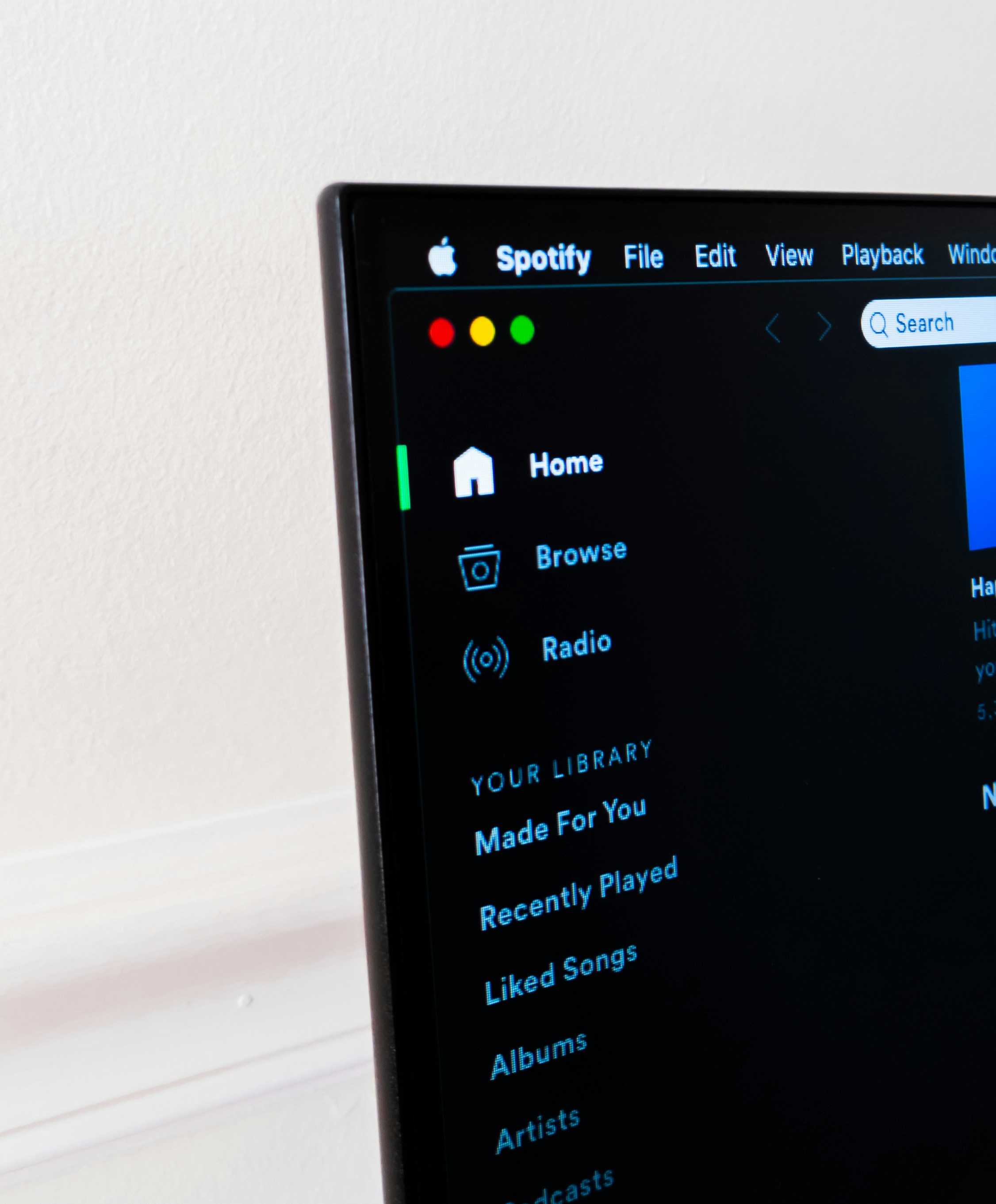
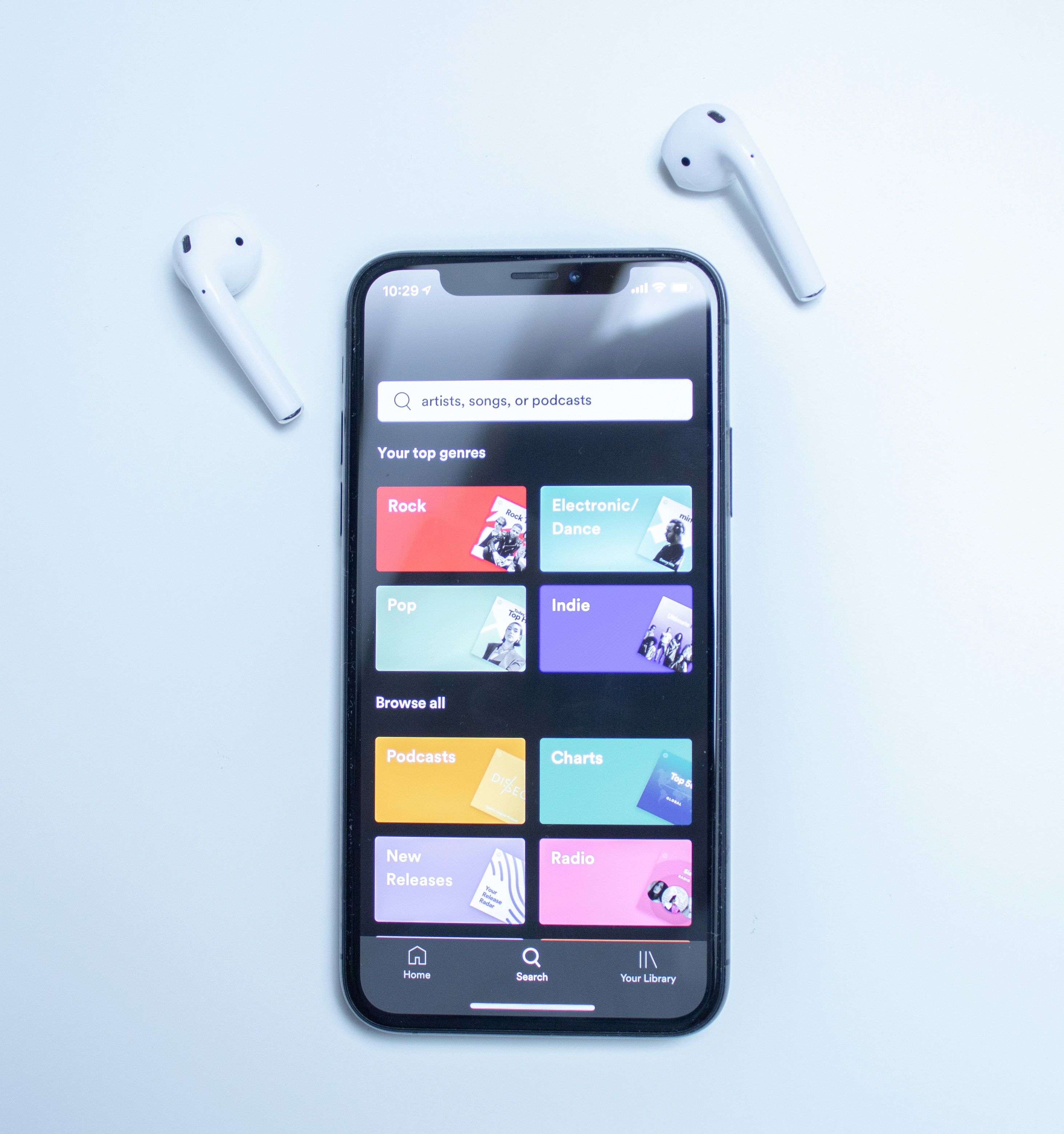
AI-generated music enters an already crowded streaming catalog, where a track’s availability does not ensure that listeners will encounter it. Discovery can begin with direct searches, personalized recommendations, radio-style listening features, user-created playlists, or editorial selections. These routes serve different purposes: search reflects clear intent, while recommendations may introduce unfamiliar artists based on listening patterns. Yet recommendation systems are opaque and change over time; no upload, release schedule, or promotional tactic guarantees exposure. High volumes of similar-sounding tracks can further complicate discovery, making it harder for listeners to distinguish new work and for emerging creators to earn attention.
A practical audience strategy starts with a recognizable sound and artist identity, so listeners can understand what makes a project distinct. Creators can release consistently, but flooding services with frequent, minimally differentiated tracks may weaken listener trust and obscure each release. Accurate genre and mood metadata help music appear in relevant contexts and should describe the recording honestly. Promotional materials, including biographies, artwork, and short clips, should be professional and legitimate. Campaigns should provide clear paths from social posts, websites, or newsletters to streaming services, while setting realistic expectations: attention often develops gradually through repeat listening and personal recommendation.
Artists can pitch eligible releases through the submission tools or processes each streaming service provides, but playlist placement is never guaranteed. Offers promising streams or playlist slots in exchange for payment may rely on artificial engagement and can put an account’s standing at risk. Beyond pitching, short-form video can give a track context, while communities, live performances, and interactive sessions help turn casual interest into relationships. Inviting listener feedback and responding to it can inform future releases and encourage people to return. These activities complement streaming rather than replace it: building a durable audience means reaching people in multiple settings, giving them reasons to connect with the artist, and making listening easy. Stream counts alone offer an incomplete measure of that progress.
Streaming royalties are not a fixed payment for each play. Services generally pool revenue from subscriptions and advertising, then allocate portions according to their accounting models, listening activity, and agreements with rights holders. The value associated with a stream can therefore vary by territory, subscription type, reporting period, and the share of listening attributed to each track. What reaches a creator also depends on rights ownership and contracts with labels, publishers, distributors, and other partners; deductions or revenue shares may apply before payment. A recording has distinct rights from the underlying song: master royalties relate to the sound recording, while composition and publishing royalties relate to the music and lyrics. These may be collected and paid through different channels. Artists should check that distributor registrations, ownership splits, writer information, and release credits are accurate, and resolve discrepancies before a track goes live.
Spotify, Apple Music, Deezer, Amazon Music, and YouTube Music each set their own terms and operational policies; their approaches should not be treated as interchangeable. Before release, creators and rights holders should consult current guidance from the relevant service and distributor on artificial or deceptive streaming, impersonation, metadata accuracy, rights complaints, and any disclosure or labeling rules for synthetic content. Requirements and enforcement practices can change, and a distributor may impose additional conditions. Use official documentation rather than assuming that a policy described for one platform applies elsewhere.
As catalogs grow, platforms are investing in fraud detection and artist-protection measures to identify suspicious activity, misleading uploads, and unauthorized use of names or work. Fabricated streams can divert royalty pools from legitimate artists, distort performance data, and weaken confidence among listeners and rights holders. Suspected manipulation or rights violations may lead to withheld royalties, removal of content, takedowns, or account penalties, depending on the applicable terms and circumstances. AI-generated music is not automatically fraudulent, but its release still requires accurate attribution, valid rights, and compliance with platform rules. Keep records of licenses and permissions, review reports for unusual activity, and confirm policies directly with each platform and distributor shortly before delivery, since requirements evolve.
AI-generated music raises unsettled questions about who may control and profit from a track. Training systems may involve copyrighted compositions or sound recordings, while generated output can echo existing material in ways that are difficult to assess. Copyright ownership is separate from the terms of a music-generation tool: a service may grant users a contractual license to use or distribute output without determining whether copyright law protects that output or who owns any protected rights. Rules differ across jurisdictions, and outcomes may depend on the degree and nature of human creative contribution. AI-made work is therefore not automatically copyrightable, nor is it automatically outside copyright protection.
Ethical concerns extend beyond ownership. A generated track may imitate a recognizable performer’s voice or evoke a distinctive style, raising questions of consent, misrepresentation, and potential harm even where the legal position is uncertain. Artists and distributors can reduce practical risks by keeping project files and records showing their creative input, documenting the licenses and permissions attached to samples, tools, and source material, and accurately identifying human contributors. Where a voice is recognizable or protected material is involved, obtaining consent or appropriate permission is a prudent safeguard. Clear records can also help resolve platform disputes and support accurate crediting.
Streaming services and the wider music industry may respond with stronger provenance and credit metadata that traces how tracks were made, alongside disclosures that help listeners identify synthetic vocals or other generated elements. Better identity verification could make it harder to impersonate artists, while improved detection of manipulated or fraudulent listening activity may protect royalties and chart integrity. These measures will need transparent rules and careful implementation, since disclosure systems should inform listeners without unfairly stigmatizing legitimate creative work. Accessible music-generation tools can broaden participation and enable new forms of experimentation. Their long-term value, however, depends on balancing that creative potential with fair compensation, meaningful consent, reliable attribution, and platform policies that are clear, consistent, and accountable to both creators and listeners.