The Rise of AI-Generated Music
In recent years, the music industry has witnessed a notable evolution with the advent of AI-generated music. This innovative trend leverages advanced artificial intelligence technologies to compose original pieces across a multitude of genres. AI music generation not only creates unique sounds but also resonates with diverse listener preferences, making it an appealing option for both artists and audiences alike.
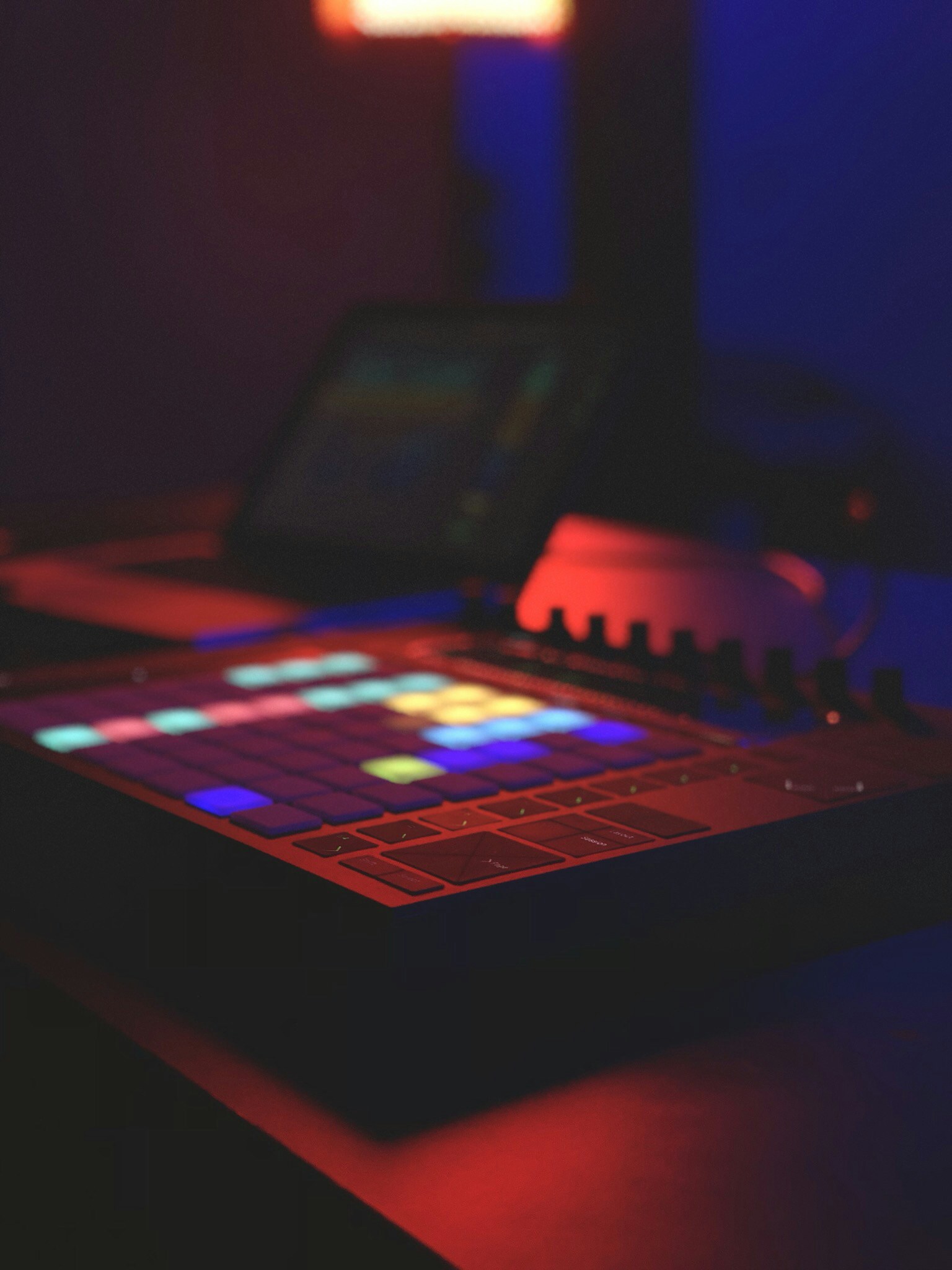
AI algorithms and machine learning models have been developed to analyze existing musical compositions, learning patterns in melody, harmony, and rhythm. As a result, these programs are capable of producing fully-fledged tracks that mimic the styles of various musicians. From pop and rock to classical and electronic, AI-generated compositions offer a fresh take on musical creativity. The ability to construct music based on data-driven insights has resulted in a democratization of music production, enabling individuals without formal training to create noteworthy tracks.
Examples of successful AI-generated music have emerged, showcasing the technology’s potential. One prominent instance is the AI system known as AIVA (Artificial Intelligence Virtual Artist), which has been used to create compositions for film scores, video games, and advertisements. Another example is OpenAI’s MuseNet, which can generate songs in various genres by understanding complex musical structures. These innovations not only emphasize the potential of AI in the creative arts but also raise intriguing questions about the nature of creativity and authorship in music.
The integration of AI in music generation continues to grow, leading to exciting collaborations with human musicians. As AI technology evolves, its influence on the music landscape will likely expand further, encouraging both the creation of novel sounds and inspiring new trends across platforms like TikTok. This fusion of AI music and social media trends signifies a groundbreaking chapter in the evolution of music consumption and production.
TikTok: A Platform for Viral Music Trends
TikTok has transformed the landscape of music discovery and dissemination, emerging as a powerful platform for artists and labels alike. With its unique format, TikTok allows users to create short, engaging videos that frequently incorporate snippets of music. This setup naturally encourages the virality of songs, as users participate in challenges, trends, and dances that often feature catchy soundtracks. Consequently, the platform has become a launching pad for many songs, facilitating their ascent towards mainstream recognition.
One of the most significant aspects of TikTok is its viral challenges, which are often centered around a particular track. These challenges not only engage users but also promote the music associated with them, creating a fun and interactive way for audiences to connect with new songs. For instance, songs like “Savage Love” by Jawsh 685 and Jason Derulo saw significant popularity following their integration into various TikTok trends. The ease of sharing and creating content on the platform amplifies reach, allowing tracks to gain traction rapidly.
Moreover, TikTok’s influence extends to music charts, where many tracks experience an uptick in streams and downloads shortly after going viral on the app. The relationship between TikTok and the music industry has reached a point where music labels now actively seek to develop strategies that leverage TikTok for promoting new releases. This synergy between TikTok trends and the music charts exemplifies the platform’s role in shaping consumer tastes and preferences, solidifying its status as a contemporary music discovery tool.
The Intersection of AI Music and TikTok Trends
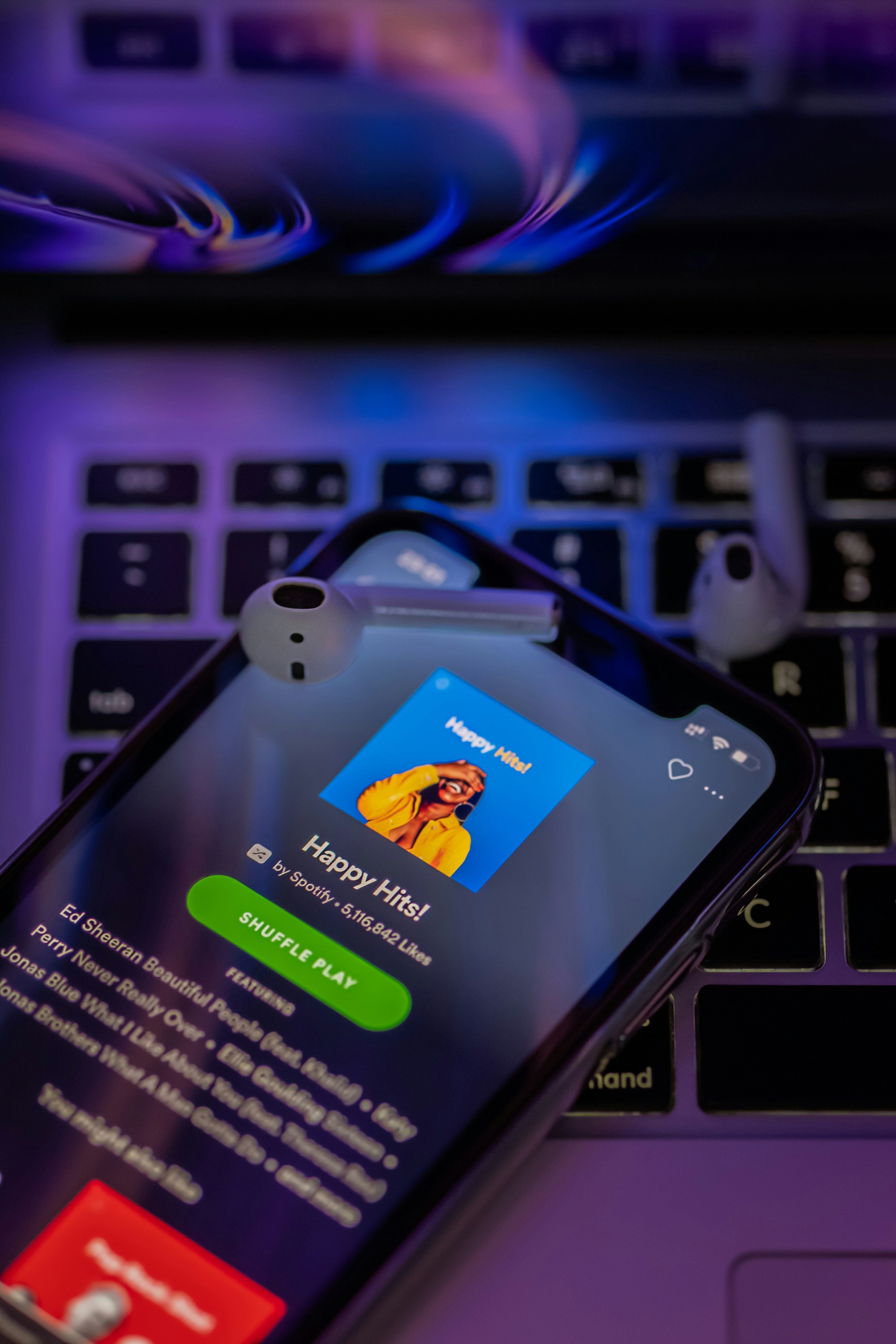
In recent years, the fusion of artificial intelligence (AI) music and TikTok has created a dynamic landscape for digital content creation. The platform, known for its short video format, has embraced AI-generated music, allowing creators to explore new possibilities in their projects. As trends on TikTok often revolve around catchy tunes that encapsulate brief, impactful moments, AI music has emerged as a compelling option that aligns perfectly with these needs.
AI-generated music offers unique advantages, such as the ability to produce a variety of styles and genres at an unprecedented speed. For example, tracks like “Heart on My Sleeve,” produced entirely by AI, gained viral status on TikTok due to their infectious melodies and contemporary beats. Creators began to employ these AI tracks not only to enhance the emotional resonance of their videos but also to leverage their trendy status to attract wider audiences. The phenomenon has led to numerous challenges and dance trends centered around AI music, captivating millions of users worldwide.
Moreover, the integration of AI music in TikTok highlights an emerging pattern within the platform’s evolution. As creators utilize AI-generated songs to complement specific content themes, a feedback loop is established, where the popularity of certain tracks influences their production style. This cycle illustrates how AI can adapt based on real-time user engagement, encouraging a new form of collaborative creation between humans and machines.
The implications of using AI music extend beyond content creation, influencing how audiences interact with music in general. As genres blend and new sounds emerge thanks to AI technologies, listeners find themselves exploring unfamiliar music climates. Consequently, the accessibility and attractiveness of AI music may reshape the broader music consumption landscape, changing listeners’ preferences and expanding the boundaries of musical creativity.
The Future of Music Creation and Consumption
As we look toward the future of music creation and consumption, the influence of AI-generated music is poised to expand rapidly. With technological advancements, AI systems are increasingly capable of composing music that resonates not only with the emotions of listeners but also with current trends in real time. This innovation could redefine not just how artists create music, but also how audiences discover and interact with it.
Social media platforms like TikTok are integral to this evolution. The platform’s unique structure allows for quick dissemination of new music, and with the incorporation of AI, artists can tailor their compositions to align with trending sounds and hashtags almost instantaneously. Musicians might leverage AI to generate snippets that can go viral, ensuring their work reaches a wider audience while maintaining relevance in a fast-paced digital environment. This interaction between AI technology and social media trends underscores a crucial shift in music consumption habits, as users now play a more active role in the creative process by influencing which tracks gain popularity.
Moreover, the role of artists is likely to evolve significantly in this landscape. Rather than being the sole creators, musicians may become curators or collaborators with AI systems. This partnership could lead to a new genre of music that thrives on blending human creativity with computer-generated compositions, reflecting the diverse tastes of a global audience. This evolving dynamic may also raise questions about ownership and authenticity in music creation, as AI continues to blur the lines between machine-generated output and human artistry.
In conclusion, the interplay between AI music technology and social media platforms like TikTok heralds a transformative era for both music creation and consumption. As these trends progress, we may witness a reshaping of industry norms, ultimately leading to exciting opportunities and challenges for artists and consumers alike.