Understanding Virtual Artists
Virtual artists represent a significant evolution in the realm of creativity, distinguished from traditional artists by their reliance on technology and digital mediums. These creators express their artistic vision through computer programs, graphic design software, and digital rendering techniques, often producing works that can be entirely virtual or blend with physical art forms. The advent of the internet has enabled these digital artists to reach global audiences, allowing for broader visibility and interaction than was traditionally possible.
The rise of digital artists can be attributed to a shift in societal norms regarding art and its accessibility. Unlike conventional artists, who may rely on galleries or physical exhibitions, virtual artists often showcase their work on platforms such as social media, online marketplaces, and digital galleries. These platforms serve as vibrant venues for artistic expression, enabling virtual artists to connect with enthusiasts, collectors, and even other creators. Consequently, the digital art landscape is increasingly crowded, yet it remains rich in diversity and innovation.
An integral component of the virtual art movement is the incorporation of artificial intelligence (AI) in the art creation process. AI tools can generate complex visual art, music, and interactive pieces, challenging traditional notions of authorship and creativity. Through algorithms and machine learning, AI has emerged as a collaborator, leading to unique artistic results that push the boundaries of imagination. This integration of technology not only enhances the creative possibilities for virtual artists but also prompts important discussions about the role of human creativity versus machine assistance.
The influence of technology on artistic expression cannot be overstated. Digital artists can explore new styles, experiment with mixed media, and engage in interdisciplinary practices that were previously unimaginable. As the landscape continues to evolve, virtual artists remain at the forefront of a transformative movement, reshaping the contemporary art scene and influencing how we perceive and interact with art in the digital age.
The Role of AI in Art Creation
Artificial intelligence (AI) technology has revolutionized various fields, including art creation. By utilizing complex algorithms and data analysis, AI systems are designed to replicate and even evoke human emotions in their art. This capability has transformed the perception of digital creativity, enabling AI to construct pieces that resonate with audiences on emotional levels. In stark contrast to traditional art forms, where human experience shapes creativity, AI-generated artworks emerge from data-driven processes, offering a unique perspective on emotional expression.
AI algorithms employ vast databases of existing art, gathering insights into color theory, composition, and thematic connections. Through machine learning, these systems analyze how audiences have historically reacted to different artistic styles, thereby shaping their own outputs to elicit specific emotional responses. Artists and developers collaborate to refine these algorithms, ensuring that they can not only generate striking visuals but also provoke thought, nostalgia, or a sense of wonder. By examining the intersection of human emotion and algorithmic design, we can gain greater insight into the potential of AI as a creative partner.
Several notable case studies illustrate the emotional impact of AI in art. One such example is the work of a prominent AI artist who created an installation that combined visual art with soundscapes, effectively posing questions about identity and existence. The artwork elicited strong audience reactions, highlighting the capacity of AI to foster emotional connections. Another instance is the collaboration between artists and AI systems, where intuitive human creativity and computational efficiency blend seamlessly. These projects challenge the perception of artistic originality, inviting discussions about the essence of creativity in the digital age.
In essence, the exploration of emotional capabilities within AI-generated art raises important questions about the nature of creativity, the role of the artist, and the potential for technology to connect with human experiences. As we further investigate this intersection, a deeper understanding of AI’s role in emotional engagement in art will continue to unfold.
The Immersion of Digital Experiences
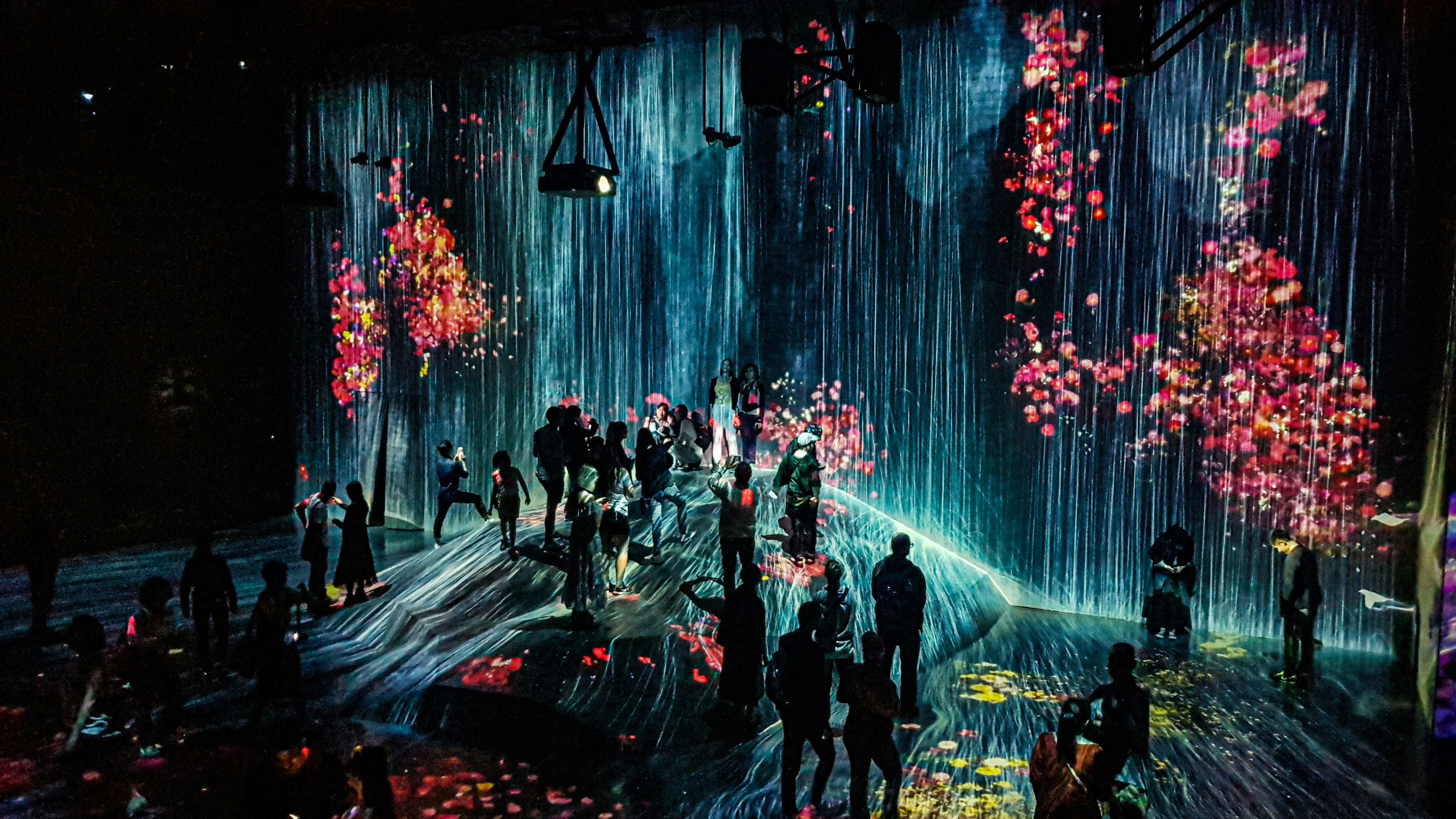
The evolution of digital artistry has transcended traditional mediums, ushering in an era where immersive experiences significantly alter audience engagement. The integration of advanced technologies such as Virtual Reality (VR) and Augmented Reality (AR) plays a pivotal role in enhancing how we interact with virtual artists. These digital environments create a profound sense of presence, allowing viewers to experience performance in ways previously deemed unimaginable.
Immersive music experiences facilitated by VR can transport audiences into entirely different worlds. For instance, a concert in a virtual space can allow participants to feel as if they are genuinely present, standing shoulder to shoulder with fellow fans, despite geographical barriers. This novel engagement approach cultivates a shared emotional journey, wherein the power of sound and visuals intertwines seamlessly to evoke deep emotional responses from the audience.
Furthermore, the interplay between soundscapes and visual elements in these digital environments enriches the overall experience. Virtual environments can be designed to reflect the artist’s vision, enhancing narrative storytelling. For example, during a musical performance, synchronized visual effects can create a harmony between the auditory and visual aspects, thereby amplifying the emotional resonance of the music. Viewers are not merely passive observers; they become active participants, shaping their own experience through interactions with the environment.
The advancement of immersive technologies continues to expand the horizons of creativity, providing unprecedented opportunities for virtual artists to connect with their audiences. As these tools develop, the potential for personalized and memorable engagements becomes more profound, making the realm of virtual artistry increasingly compelling. Engaging through immersive experiences, audiences are no longer just witnessing performances; they participate and experience emotions in ways that deepen their connection with the art and the artist.
The Future of Virtual Artistry
The trajectory of virtual artistry is poised for significant transformation as technological advancements continue to infiltrate the art domain. One of the most striking predictions is the evolution of emerging tools that enhance the creativity of digital artists. Software and hardware innovations, such as augmented reality (AR) and virtual reality (VR) platforms, are not only reshaping the creation process, but they are also expanding the experiential aspects of art consumption. Artists can now engage with audiences in unprecedented ways, facilitating immersive experiences that challenge traditional boundaries.
Moreover, the acceptance of virtual art within mainstream culture is gradually increasing. Major art institutions are beginning to include digital works in exhibitions, while online galleries amplify visibility and accessibility. This shift reflects a growing recognition that virtual artists contribute meaningfully to the global artistic landscape. As the distinction between digital and traditional mediums blurs, the potential for new art forms emerges, inviting diverse artistic expressions.
Furthermore, societal perceptions of digital art are evolving, moving from skepticism to appreciation. Art enthusiasts and collectors are increasingly acknowledging the complexity of digital creations and their inherent value. This evolving recognition presents opportunities for collaboration between human and AI artists, paving the way for novel artistic endeavors. These partnerships may give rise to hybrid works that merge human creativity with machine learning, establishing a unique dialogue that could redefine creative processes.
As we look towards the future, the implications for both digital and traditional artists are profound. The integration of technology in art not only democratizes the creation process but also encourages innovative expressions. Consequently, the impact of virtual artistry will continue to ripple through the art world, influencing trends, aesthetic values, and community engagement, ultimately shaping a more inclusive environment for artists and audiences alike.