Understanding AI Music Creation
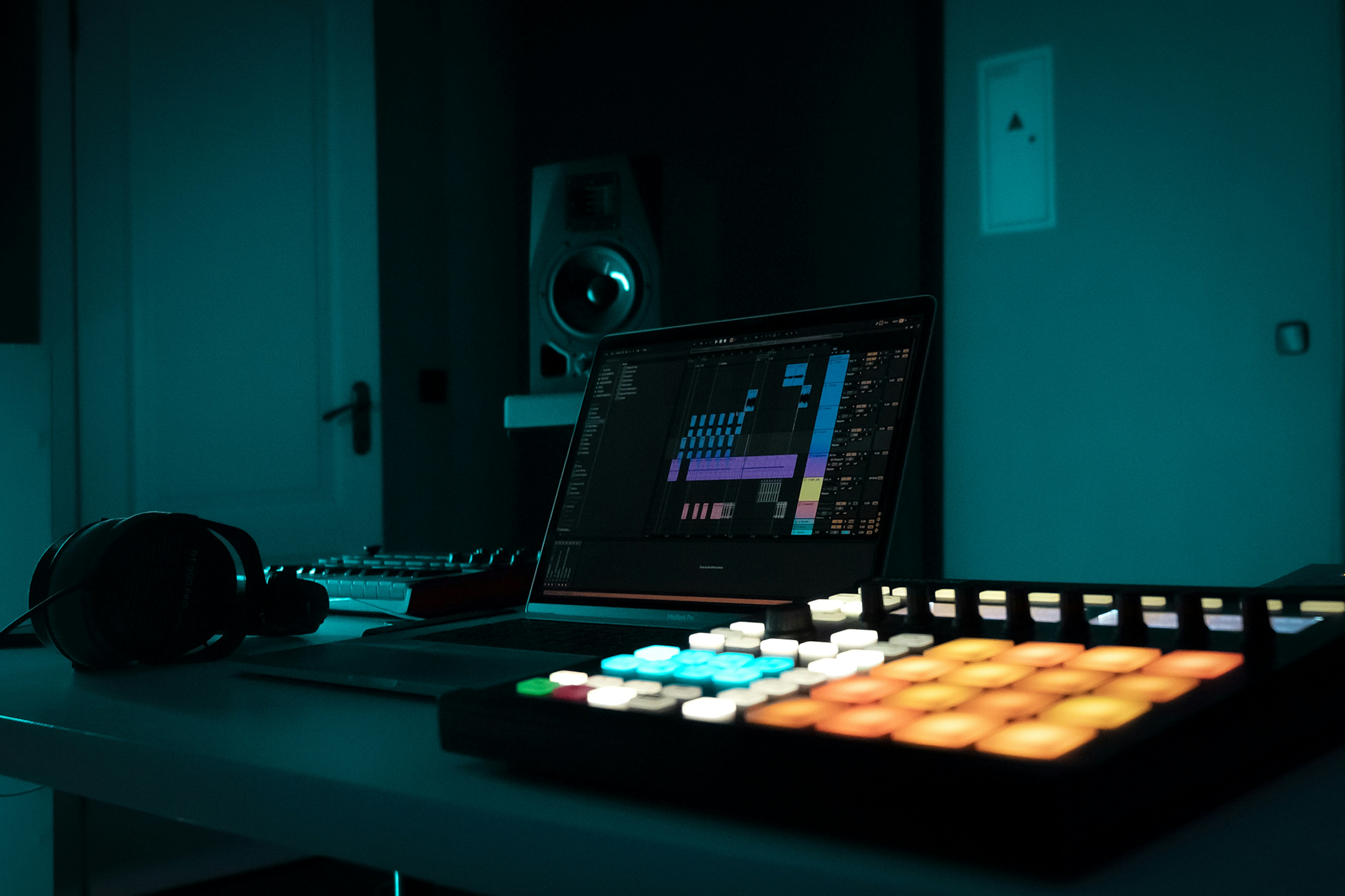
The emergence of artificial intelligence (AI) has notably revolutionized various creative domains, including music creation. AI music generation leverages advanced algorithms to produce instrumental tracks, beats, and background music. These algorithms utilize patterns, styles, and genres derived from vast datasets of existing music, enabling the creation of original compositions that resonate with the auditory preferences of listeners.
At the core of AI music tools are machine learning techniques that analyze numerous musical elements such as melody, harmony, rhythm, and structure. By studying various musical styles and elements, these algorithms become adept at mimicking the stylistic nuances found in traditional compositions. As a result, these tools can generate unique soundscapes suitable for diverse media applications, from videos and podcasts to games and commercials.
There are several types of AI music creation tools available on the market, each with unique functionalities. For instance, some tools focus primarily on generating melody lines or harmonies, while others may combine multiple aspects, including rhythm and dynamics, to create more intricate pieces. Additionally, AI-driven platforms can collaborate with musicians, assisting them in the creative process by offering suggestions or generating foundational tracks that artists can build upon.
The applications of AI-generated music are extensive and constantly evolving. Marketers and content creators use AI music for video production, ensuring background scores align with the emotional tone of their content. Additionally, podcasters leverage AI-generated tracks for intros and outros, enhancing their audio storytelling. The gaming industry also benefits considerably, as custom soundtracks created using AI tools can adapt to gameplay dynamics, providing a unique auditory experience for players.
Types of Music You Can Create with AI
Artificial Intelligence (AI) has revolutionized the music industry, enabling creators to produce various types of music efficiently. One of the prominent categories is instrumental tracks, which can range from classical to modern compositions. These AI-generated instrumental pieces are often utilized in film scoring, video games, and even advertisements, allowing creators to enhance the emotional appeal of their projects.
Another popular category is upbeat background music. AI tools are capable of generating lively, engaging tunes that serve as the perfect backdrop for social media videos, YouTube content, and promotional materials. By employing AI, musicians can produce catchy melodies that cater to specific themes or audiences, making it easier to resonate with listeners and enhance viewer engagement.
Ambient sounds are also a significant output of AI music creation. These tranquil sonic landscapes are ideal for relaxation, meditation, or as background for podcasts and gaming. AI-generated ambient music can create a captivating atmosphere that helps to immerse the audience in a particular setting, allowing its use in various digital content projects.
Additionally, custom beats can be generated through AI technology, which appeals to genres such as hip-hop, electronic dance music (EDM), and pop. These unique beats can be tailored to specific project requirements, offering flexibility and freshness. Musicians looking to create distinctive tracks for their projects can take advantage of AI tools to develop beats that suit their unique style.
In summary, the diverse types of music created using AI tools, including instrumental tracks, upbeat background music, ambient sounds, and custom beats, provide ample opportunities for creators to enhance their digital content. By exploring the unique capabilities of AI in music generation, individuals and businesses can significantly elevate their projects and engage their target audiences more effectively.
Platforms to Sell Your AI-Generated Music
In the evolving landscape of digital music, numerous platforms have emerged that cater specifically to creators of AI-generated music. These platforms offer varying features, pricing models, and audiences, thereby providing a rich tapestry from which musicians can choose the best fit for their work.
One of the most prominent platforms is Bandcamp. Bandcamp allows artists to sell their music directly to fans, setting their own pricing. Its features include customizable artist pages, merchandise integration, and fan engagement tools. Bandcamp’s direct-to-consumer model is particularly appealing for independent artists seeking to maintain control over their work and profits.
Another noteworthy platform is SoundCloud, which is popular among music enthusiasts and creators alike. SoundCloud permits users to upload and share their tracks while enabling monetization options through subscriptions and royalties. Artists can utilize its robust social sharing tools to reach a wider audience, enhancing the visibility of their AI-generated compositions.
Spotify represents a different approach, focusing on streaming rather than direct sales. By leveraging aggregated streams, musicians can earn money based on the number of plays their tracks receive. While successful artists must often navigate complex licensing issues, Spotify’s extensive user base offers considerable exposure to new listeners, making it a useful platform for sharing AI music.
For those interested in a niche market, Patreon allows creators to monetize their work through subscriptions. This platform is particularly beneficial for artists looking to build a supportive community around their music, as it offers a recurring revenue stream in exchange for exclusive content, including AI-generated tracks.
In conclusion, choosing the right platform to sell AI-generated music involves careful consideration of features, audience, and pricing structures. By understanding the unique offerings of Bandcamp, SoundCloud, Spotify, and Patreon, creators can effectively position their music in a competitive market, maximizing sales and building a loyal fan base.
Marketing Strategies for Selling AI Music Online
Effectively marketing AI-generated music necessitates a blend of creative strategies tailored to capture an audience’s attention while establishing a lasting presence in the digital marketplace. An essential first step in this endeavor is building a target audience. Consider identifying specific demographics that resonate with your AI music style—genres, age groups, and listening preferences all play a critical role in tailoring your outreach strategies. Engaging with online music communities or forums can help cultivate a loyal listener base for your AI-generated compositions.
Embracing social media as a marketing tool is vital in promoting your AI music. Utilize platforms such as Instagram, Twitter, and TikTok to share snippets of your tracks, behind-the-scenes content, and even interactive sessions where listeners can engage with your music creation process. The visual nature of these platforms allows for creative expression that can highlight the uniqueness of AI-generated music while enhancing audience engagement.
Creating engaging content is crucial for maintaining listener interest and driving sales. Highlight storytelling in your music by sharing the narrative behind each creation. Consider producing videos that showcase the evolution of a track, or user-generated content that facilitates interaction with your audience. This kind of content solidifies emotional connections and encourages music sharing among listeners.
Additionally, leveraging Search Engine Optimization (SEO) techniques will significantly enhance the visibility of your AI music. Incorporating relevant keywords in your blog posts, social media descriptions, and website metadata can increase your chances of being discovered by potential customers in search engines. By optimizing content around terms associated with AI music and music genres, you improve your online presence, drive traffic to your platforms, and ultimately boost sales.