The Rise of AI Music: Understanding the Trend
The rapid growth of AI-generated music can be attributed to several key factors, primarily the significant advancements in AI technology. The fusion of deep learning algorithms and music production tools has led to groundbreaking innovations, enabling the creation of music with unprecedented speed and efficiency. These AI systems are capable of analyzing vast datasets of existing music, learning patterns, structures, and styles that can then be reimagined into new compositions. This capability not only enhances the creative process but also opens up opportunities for individuals who may have previously found music production challenging.
Moreover, the accessibility of AI music tools has democratized the music creation process, allowing independent artists and aspiring musicians to produce high-quality tracks without needing extensive training or resources. Platforms that integrate AI technology now offer user-friendly interfaces that cater to both seasoned producers and novices alike, making music production more approachable. Consequently, this trend encourages a surge in creativity as more individuals can experiment and explore their musical ideas.
Furthermore, speed is a crucial element driving the popularity of AI music. In a fast-paced industry where trends can shift rapidly, artists benefit from the ability to produce and release music quickly. By utilizing AI, musicians can streamline their workflow, allowing them to focus on the artistic elements of their projects while the technology handles the more technical aspects. As a result, we witness an increased rate of music output, enriching the cultural landscape with diverse sounds and genres.
In summary, the convergence of advanced AI technology and music production capabilities is fostering a vibrant ecosystem for AI music. This not only enhances the creative possibilities for artists but also accelerates the overall growth of the music industry.
Accessibility and Democratization of Music Production
The advancement of artificial intelligence in the realm of music production has revolutionized the landscape, making it increasingly accessible to a broader audience. In recent years, various AI-driven platforms and software have emerged, allowing aspiring musicians to create high-quality music with minimal technical expertise. This democratization of music production means that anyone with a passion for creating music can do so, regardless of their background or experience.
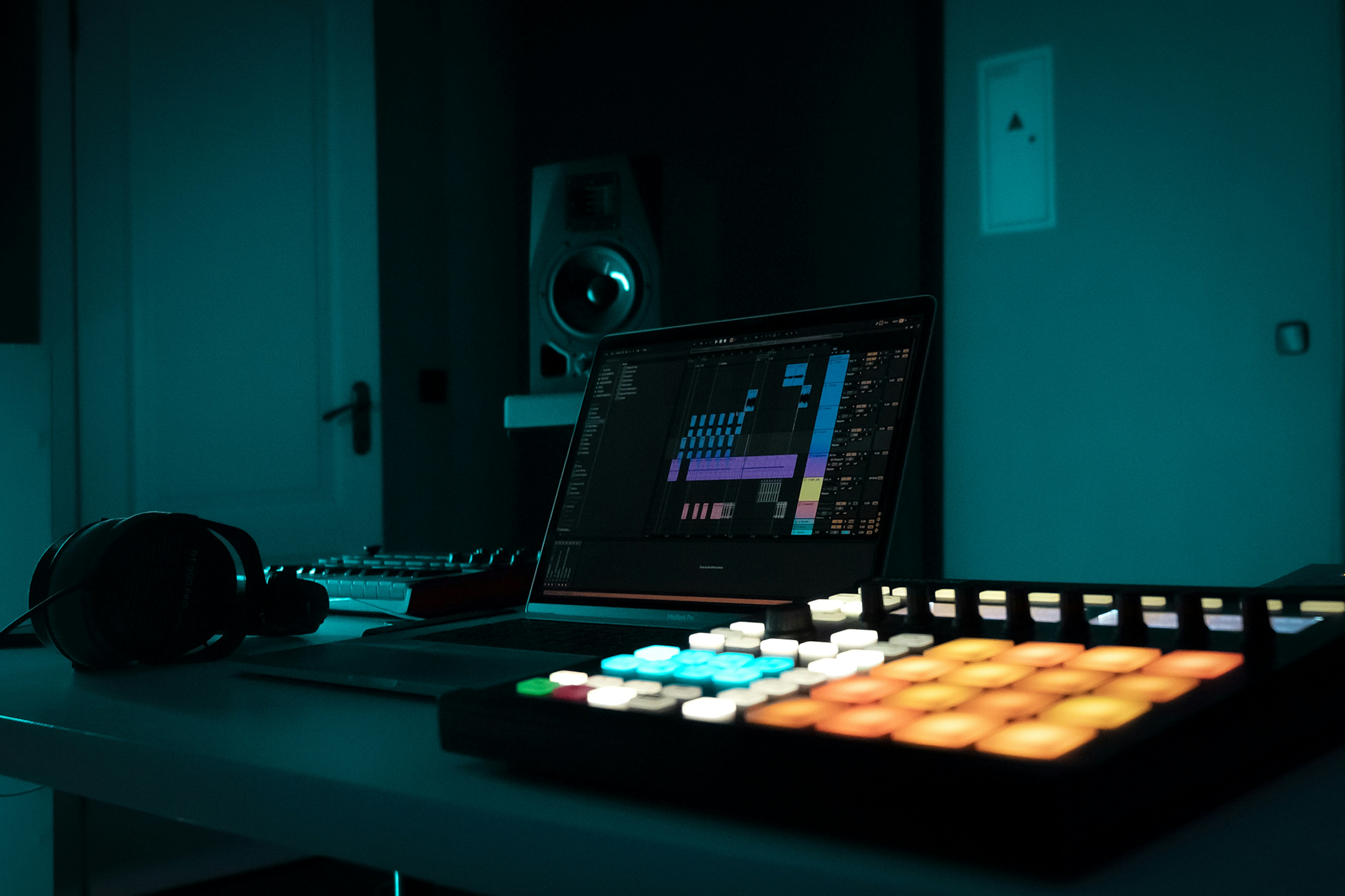
One notable example of such software includes AI-based digital audio workstations (DAWs) that come equipped with features designed for users of all skill levels. These tools often include pre-produced loops, automated mixing capabilities, and intelligent composition assistance. Consequently, even those with limited musical training can produce polished tracks that rival the works of seasoned professionals.
Furthermore, platforms like Amper Music, AIVA, and Soundraw leverage AI to assist users in composing, arranging, and producing original music. These services simplify complex processes, enabling emerging artists to focus on their creative vision without getting bogged down by intricate technical details. The convenience of these tools has lowered the barrier to entry in the music industry, fostering a more inclusive environment for creators from diverse backgrounds.
As a result of this accessibility, we are witnessing a significant shift in the music industry itself. Artists traditionally marginalized due to socioeconomic factors are now able to participate in music production and distribution. This shift is not just about the technology; it signifies a new era of creativity and innovation that values diverse voices and perspectives. Consequently, the proliferation of AI music tools plays a vital role in shaping the soundscape of contemporary music, enriching it with a greater variety of styles and influences.
Creativity Unleashed: The Innovative Potential of AI in Music
The emergence of artificial intelligence (AI) in the realm of music has sparked a transformative wave that unlocks creative possibilities previously unimaginable. AI’s unique capabilities provide musicians and composers with tools that not only enhance traditional methods but also push the boundaries of innovation in music. One of the most significant features of AI in music is its ability to analyze vast amounts of data and identify patterns across different genres. This analysis allows AI systems to blend various musical styles seamlessly, giving rise to hybrid genres that may not have been conceived by human composers alone.
Moreover, AI can generate entirely new compositions by employing machine learning algorithms that are trained on a myriad of musical works ranging from classical to contemporary. This process enables the creation of music that is both novel and complex, often showcasing an intricate level of creativity that challenges conventional songwriting. For instance, a notable example of AI collaboration is the project between the technology company OpenAI and composer Alex Da Kid, which produced the AI-generated track “Break Free.” The collaboration highlighted how AI can facilitate creative exploration, providing artists with a new musical vocabulary.
Furthermore, AI music platforms, such as Amper Music and AIVA, empower users by allowing them to create personalized soundtracks quickly. These platforms provide musicians with architecture to experiment without the constraints often present in traditional songwriting processes. By incorporating AI into music production, artists can rapidly prototype ideas and iterate on compositions, potentially leading to groundbreaking results. This capability enables musicians to focus on the emotional narrative of their works while AI tackles the more technical aspects of composition.
The intersection of human creativity and AI’s analytical prowess represents a new frontier in music-making, one where collaboration can yield innovative outcomes that expand creative horizons. As AI continues to evolve, so too does the potential for revolutionary approaches to musical expression.
The Future of AI Music: Trends and Predictions
The evolution of AI music is expected to continue at a rapid pace, influenced by advancements in machine learning and related technologies. As AI systems become more sophisticated, they will be capable of creating music that not only mimics human compositions but also introduces innovative styles and genres that may have been previously unexplored. This offers exciting opportunities for artists and producers, allowing them to collaborate with AI to push the boundaries of creativity.
In terms of consumption, the integration of AI in music streaming platforms can lead to the creation of highly personalized listening experiences. By analyzing user preferences and behaviors, AI algorithms could provide tailored playlists that adapt in real time. This level of customization could significantly enhance user engagement and satisfaction, leading to increased consumption of music across various platforms.
Furthermore, monetization strategies within the music industry may transform as AI music gains prominence. With the assistance of AI tools, independent artists could produce high-quality tracks at a fraction of the cost, democratizing access to music creation. This shift poses both opportunities and challenges; while it may lower barriers for entry into the industry, it raises concerns about the dilution of originality and copyright violations in the arena of AI-generated music.
However, as we tread further into the realm of AI music, ethical considerations must be acknowledged. Questions surrounding authorship, copyright, and the authenticity of AI-generated works are becoming increasingly pressing. The potential for misuse of AI technology necessitates a proactive approach in establishing guidelines that ensure fair practices while embracing innovation. Ultimately, the future of AI music is a balance of technological progress and ethical responsibility, paving the way for a new era in the music industry.